Hey there, future gas professionals and industry enthusiasts! It’s your favorite English blog influencer here, diving deep into a topic that might seem a bit niche at first glance, but trust me, it’s absolutely crucial for anyone serious about a thriving career in the gas trade: the nitty-gritty of practical exam subject weighting for gas certification.
Let’s be real, navigating certification exams can feel like trying to solve a puzzle with half the pieces missing, especially when your career hinges on mastering those hands-on skills.
But with the increasing demand for skilled gas technicians across residential, commercial, and industrial sectors, and a constant evolution of safety regulations and energy-efficient technologies, truly understanding where to focus your practical study time isn’t just smart—it’s essential for both your success and the safety of the communities you’ll serve.
I’ve personally seen how much stress and wasted effort can come from misjudging what aspects of the practical exam carry the most weight. You don’t want to spend countless hours perfecting a skill that only accounts for a tiny percentage of your score while neglecting a major section that could make or break your certification.
With jobs for gas technicians projected to grow steadily, offering stable demand and competitive salaries, getting certified isn’t just about ticking a box; it’s about securing your future in a vital trade.
That’s why I’m breaking down the practical exam, subject by subject, to give you the insider perspective you need to optimize your preparation. Whether you’re just starting your journey or looking to recertify and stay ahead of the curve, this breakdown will help you allocate your precious study time efficiently.
Let’s dive in and truly unpack what matters most to help you ace your gas certification practical exam!
Cracking the Code: Unpacking the Practical Exam Blueprint
When you’re staring down a gas certification practical exam, it can feel like you’re about to defuse a bomb with a blindfold on, right? I’ve been there, and trust me, knowing where to focus your energy is absolutely priceless.
This isn’t just about memorizing facts from a textbook; it’s about demonstrating real-world competence. What I’ve consistently observed across various certifications, from residential to light commercial, is that certain core competencies always take center stage.
They’re the foundational elements that any gas professional simply *must* master. Think about it: regulators and industry bodies aren’t just looking for someone who can *do* a task, but someone who understands the *why* and the *how* behind safe and efficient gas work.
They want to see that you can critically think on your feet, adapting to unexpected situations rather than just following a rigid script. This holistic approach to assessment means that while individual tasks are important, the overarching demonstration of safe work practices, adherence to codes, and sound judgment often carries more weight than you might initially assume.
It’s truly about proving you’re a safe pair of hands, ready to tackle the complexities of the trade with confidence.
Understanding the Foundation: Pipework Installation and Integrity
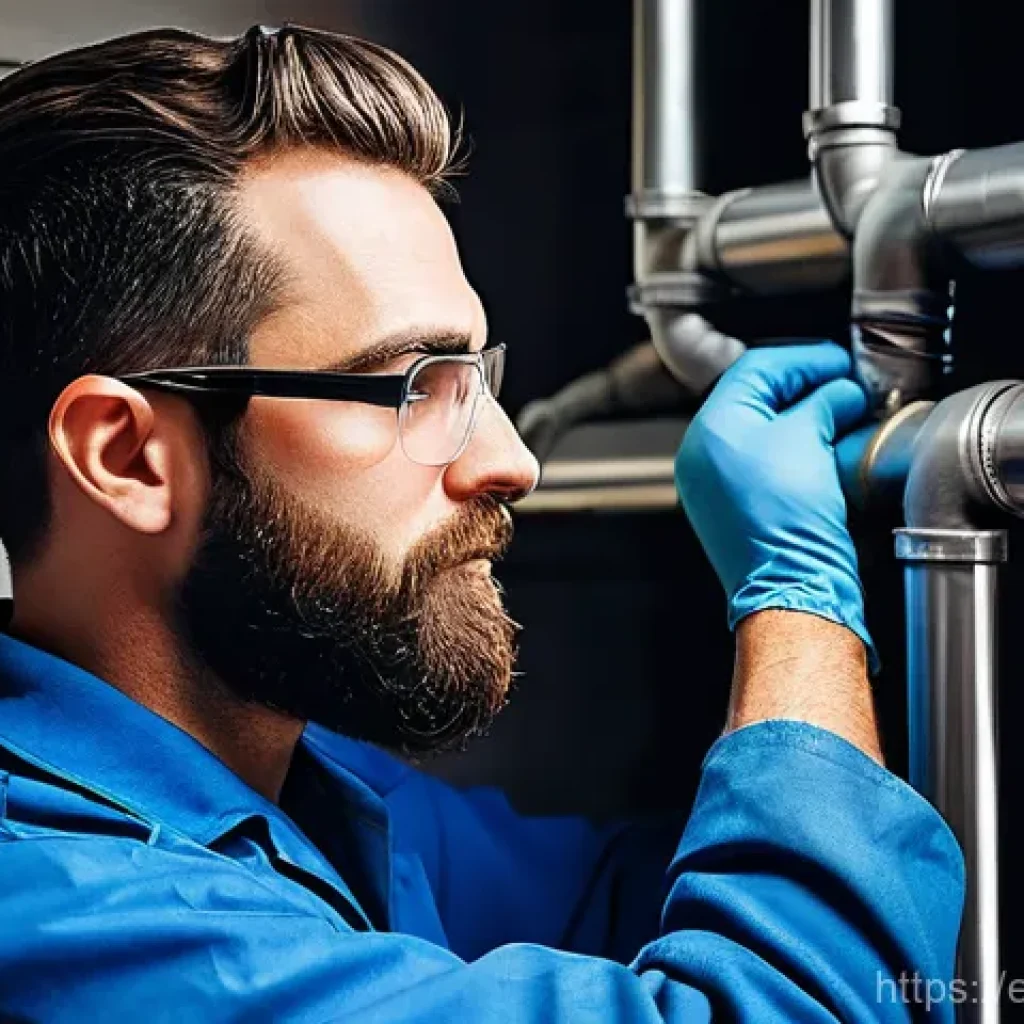
This is often the heavyweight champion of any practical gas exam. We’re talking about everything from measuring and cutting pipes to threading, soldering, or using compression fittings.
The integrity of your pipework is non-negotiable, and examiners are notoriously eagle-eyed here. They’ll scrutinize your joints for leaks, check your pipe supports, and even measure the alignment.
It’s not just about getting gas from point A to point B; it’s about doing it safely, securely, and in compliance with all relevant codes. I remember one candidate who failed not because their pipework leaked, but because their pipe supports were incorrectly spaced, indicating a lack of understanding of structural integrity.
It’s those little details that really add up.
Gas Appliance Connection and Venting Essentials
Connecting an appliance seems straightforward on paper, but in a practical exam, it’s where many stumble. Examiners are looking for correct sizing of the gas line, proper drip legs, and, crucially, impeccable venting.
Incorrect venting can lead to carbon monoxide poisoning, so this section is heavily weighted for obvious safety reasons. You need to demonstrate not just mechanical connection, but also an understanding of combustion air requirements and flue gas removal.
Have you checked the manufacturer’s instructions? Is the vent properly sealed and sloped? These are the questions running through the examiner’s mind, and they should be running through yours too.
Mastering the Diagnostic Maze: Troubleshooting and Fault Finding
Let’s be honest, half the battle in the field isn’t installing new equipment; it’s figuring out why existing equipment isn’t working right. This is where your troubleshooting skills truly shine, and practical exams know it.
They’ll often throw a curveball at you – a deliberately introduced fault in a system – and expect you to methodically diagnose and rectify it. It’s not about guessing; it’s about following a logical, systematic process.
When I was coming up, I learned quickly that rushing into a diagnosis often leads to overlooking the obvious, costing valuable time and sometimes even making the problem worse.
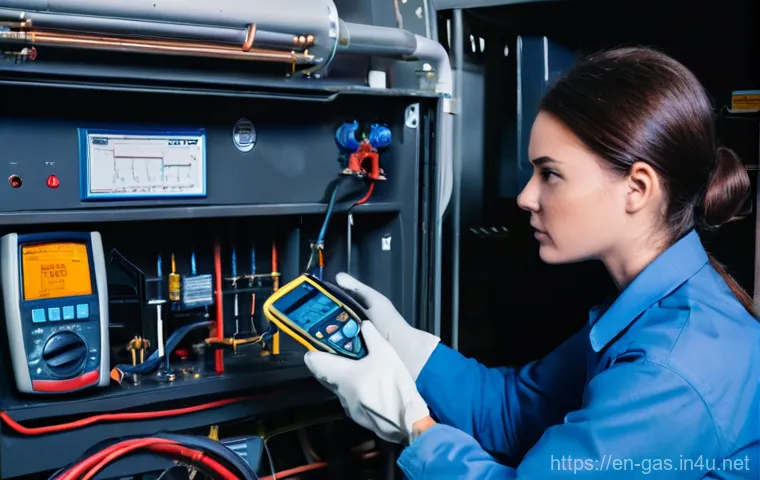
Examiners want to see you use your multimeter, your manometer, and your senses (can you smell gas? hear a leak?) effectively, documenting your findings, and explaining your thought process.
This section isn’t just a test of your technical knowledge; it’s a test of your problem-solving capabilities under pressure, which is a daily reality for any working gas technician.
Systematic Fault Identification and Rectification
This is often the most nerve-wracking part for many. You’re presented with a non-functioning system, and the clock is ticking. The weighting here is usually significant because it mirrors real-world scenarios so closely.
Examiners are looking for a systematic approach: checking for power, gas supply, pilot ignition, thermostat function, and safety controls, in a logical order.
You can’t just start randomly replacing parts. I’ve seen candidates fail because they couldn’t articulate *why* they performed a certain diagnostic step, even if they stumbled upon the right solution.
It’s about demonstrating your reasoning, not just getting the “right” answer.
Pressure Testing and Leak Detection Expertise
Once you’ve done any work on a gas system, pressure testing and leak detection are absolutely critical. This practical skill is almost universally a high-weighting section because it directly relates to public safety.
You’ll be expected to perform a tightness test, read a manometer accurately, and know how to safely locate and repair any leaks. This isn’t just about passing the test; it’s about ensuring every installation or repair you make is 100% leak-free.
My biggest tip? Practice, practice, practice with your manometer until reading it under various conditions feels second nature. Precision here is everything.
Safety Protocols: The Non-Negotiable Core of Gas Work
I cannot stress this enough: safety isn’t just a section of the exam; it’s the *lens* through which every single task is viewed. From the moment you step into the practical exam bay until you complete your final sign-off, examiners are evaluating your adherence to safety protocols.
This includes your personal protective equipment (PPE), safe handling of tools and materials, awareness of your surroundings, and your response to potential hazards.
This part of the assessment might not have its own dedicated “weighting” percentage in the same way pipework does, but a significant safety breach can lead to an immediate fail, regardless of how perfectly you performed other tasks.
It’s ingrained in every aspect. You know that feeling when you’re on a job site and someone takes a shortcut? It makes your stomach churn.
Examiners feel the same way. They want to see that safety isn’t an afterthought for you, but an instinct.
Adherence to Codes and Regulations
Understanding and applying current gas codes and regulations is paramount. While the practical exam primarily focuses on *doing*, your actions must always reflect code compliance.
This includes proper sizing, clearances, ventilation, and the correct use of materials. Examiners will often observe whether your installation choices align with the latest industry standards.
It’s not enough to just know the codes; you must demonstrate their practical application in your work.
Emergency Procedures and Hazard Recognition
This might involve questions or simulated scenarios where you need to identify potential hazards (like a CO leak, inadequate ventilation, or incorrect gas pressure) and describe the appropriate emergency response.
Your ability to recognize a dangerous situation and take immediate, correct action is a huge indicator of your readiness to work independently in the field.
They want to know you can keep yourself and others safe.
Beyond Installation: Appliance Servicing and Maintenance
Many practical exams, especially for higher-level certifications, delve deep into the servicing and maintenance aspects of gas appliances. This isn’t just about getting an appliance to work; it’s about optimizing its performance, ensuring its longevity, and maintaining its efficiency for the customer.
Think about all the times you’ve heard a homeowner complain about high gas bills or a faulty furnace. Your ability to perform thorough service and maintenance checks is what sets a true professional apart.
It showcases a broader understanding of gas systems beyond just the initial setup, reflecting a long-term commitment to safety and customer satisfaction.
It’s a game-changer for your career because it opens up a whole new revenue stream and builds immense trust with clients.
Annual Service Checks and Performance Optimization
Here, you might be tasked with performing a mock annual service on a boiler or furnace. This involves checking components like igniters, flame sensors, heat exchangers, and flue gas analysis.
It’s about ensuring the appliance is running safely and efficiently. Examiners are looking for a methodical approach to servicing, documenting findings, and making appropriate adjustments.
Interpreting Manufacturer Specifications
Every gas appliance comes with a bible of instructions – the manufacturer’s manual. A key part of maintenance and troubleshooting is the ability to read, understand, and apply these specifications.
Examiners may ask you to locate specific information within a manual or to ensure your work aligns with the manufacturer’s guidelines, which are often stricter than general code requirements.
The Administrative Side: Documentation and Reporting
Believe it or not, your ability to document your work clearly and accurately can significantly impact your overall score. This isn’t just busywork; it’s a critical component of professional responsibility and accountability.
Think about liability, future servicing, or even just explaining your work to a customer. Examiners often look for precise records of pressure tests, gas rates, flue gas analysis results, and any defects found or rectified.
It demonstrates your professionalism and ensures a clear trail for future reference. It also ties directly into your trustworthiness. If I can’t read your notes, how can I trust your work?
Accurate Work Records and Certification
You’ll likely be required to fill out a job sheet or certification form detailing the work performed, readings taken, and any issues addressed. This section tests your ability to translate your practical work into clear, concise, and legally compliant documentation.
Customer Communication and Explanations
While not always a direct practical task, some exams may incorporate an element of explaining your work or findings to a “customer” (the examiner). This tests your ability to communicate complex technical information in an understandable way, a vital skill for building trust and ensuring customer satisfaction.
What Gets Measured: Typical Practical Exam Weighting Overview
Understanding the general breakdown of how different areas contribute to your final score can really help you prioritize your study and practice time.
While specific percentages can vary slightly between different certification bodies and regions, there’s a general consensus on what truly matters. I’ve compiled a table here that reflects the common emphasis I’ve seen in gas practical exams over my years in the trade.
This isn’t a hard and fast rule for every single exam out there, but it gives you a solid framework for where to funnel most of your energy. When I was prepping for my advanced certifications, I used a similar mental model to ensure I wasn’t getting bogged down in minor details while neglecting the heavy hitters.
Focusing on these high-weighted areas doesn’t just improve your chances of passing; it ensures you’re a well-rounded and competent technician from day one.
It’s like building a house – you wouldn’t skimp on the foundation, would you?
| Practical Exam Section | Approximate Weighting | Key Focus Areas |
|---|---|---|
| Pipework Installation & Integrity | 25-30% | Measuring, cutting, threading/joining, leak testing, supports, compliance. |
| Appliance Connection & Venting | 20-25% | Correct sizing, drip legs, flue installation, combustion air, manufacturer specs. |
| Troubleshooting & Fault Finding | 15-20% | Systematic diagnosis, using test equipment, identifying faults, rectifying. |
| Safety Protocols & Regulations | 15% (Embedded) | PPE, safe work practices, code adherence, hazard recognition, emergency response. |
| Appliance Servicing & Maintenance | 10-15% | Performance checks, component inspection, flue gas analysis, efficiency optimization. |
| Documentation & Reporting | 5-10% | Accurate record-keeping, job sheets, clear communication. |
Beyond the Technical: Real-World Scenarios and Adaptability
It’s easy to get caught up in the technical minutiae of specific tasks, but what often separates a good technician from a *great* one is their ability to adapt and apply their knowledge to unforeseen circumstances.
Practical exams are increasingly designed to test this adaptability. They might present you with a scenario that isn’t perfectly textbook – maybe a tight space, an older appliance, or a non-standard setup.
This isn’t meant to trip you up; it’s meant to see how you think on your feet, how you problem-solve when the instructions aren’t crystal clear. My own experience in the field has shown me that no two jobs are ever exactly alike.
You’re constantly faced with unique challenges, and your ability to draw upon your core knowledge and apply it flexibly is what truly makes you valuable.
Examiners aren’t just ticking boxes; they’re assessing your potential to handle the unpredictable nature of real gas work.
Handling Unexpected Variables
This might involve scenarios where a tool isn’t readily available, a component is slightly different from what you expected, or you encounter a pre-existing issue.
The assessment here is less about the “right” answer and more about your safe and logical approach to finding a solution.
Time Management Under Pressure
Practical exams are always timed, simulating the pressure of a real job. Your ability to manage your time effectively, prioritize tasks, and remain composed throughout the process is indirectly assessed and can heavily influence your perceived competence.
글을 마치며
Whew, we’ve covered a lot, haven’t we? It’s easy to feel overwhelmed when you’re prepping for something as crucial as a gas certification practical exam, but remember, every single part of this journey is building you into a more competent, confident, and ultimately, safer professional. What I’ve seen time and again is that the technicians who truly excel aren’t just those who can turn a wrench; they’re the ones who understand the bigger picture, who connect the dots between theory and practice, and who genuinely prioritize safety above all else. This exam isn’t just a hurdle to clear; it’s a foundational experience that will shape your entire career. Embrace the challenge, trust in your preparation, and go in there knowing you’ve got what it takes. It’s about demonstrating your readiness, not just your knowledge, and I truly believe in your ability to shine.
알아두면 쓸모 있는 정보
1. Simulate Exam Conditions – Seriously, Do It! I can’t stress this enough. Sitting in a quiet room reading a textbook is one thing, but actually performing tasks under pressure, with a timer running, is a completely different beast. Try to set up a mock exam environment, even if it’s just in your garage. Get a buddy to play the “examiner” and throw some curveballs your way. The more you practice dealing with the unexpected, the less likely you’ll be fazed by it on the actual day. It helps build that muscle memory and mental resilience, letting you walk into the real exam feeling a calm sense of preparedness rather than a jumble of nerves. Trust me, I’ve seen countless folks ace it because they mentally and physically rehearsed their performance, making it almost second nature when it counted most. This isn’t just about repetition; it’s about conditioning your mind and body for peak performance when the stakes are high, mimicking the very real-world situations you’ll encounter on the job.
2. Lean on Experienced Mentors – Their Insights Are Gold. While self-study is essential, nothing beats the wisdom of someone who’s been in the trenches for years. If you have the opportunity, find an experienced gas technician who’s willing to share their knowledge and practical tips. They can point out nuances you might miss in a manual, offer alternative approaches to common problems, and even share war stories that inadvertently teach you invaluable lessons. I remember one mentor who showed me a trick for pipe fitting in a ridiculously tight space that wasn’t in any textbook; it saved me hours on future jobs. These personal anecdotes and practical demonstrations often stick with you far longer than abstract concepts. Don’t be shy to ask questions, observe their workflow, and absorb every bit of practical wisdom they’re willing to impart. Their experience is a shortcut to your own growth and understanding, and it will give you a significant edge.
3. Keep Your Knowledge Fresh – The Industry Never Stops Moving. Gas codes, appliance technologies, and safety regulations aren’t static; they evolve constantly. What was standard practice a few years ago might be outdated or even unsafe today. Make it a habit to stay updated, subscribe to industry journals, attend workshops, and even just spend some time browsing manufacturer websites for new installation guides. A true professional is a lifelong learner, always adapting to the latest advancements and ensuring their work is not just compliant but also cutting-edge. This commitment to continuous learning not only keeps you safe and legal but also makes you a more valuable asset to any employer or client, cementing your reputation as someone who is truly at the top of their game. It’s an investment in your career that pays dividends for years to come, demonstrating a level of expertise that goes beyond simply passing an exam.
4. Develop a Customer Service Mindset – Even in an Exam. While the practical exam primarily tests your technical skills, remember that in the real world, you’ll be interacting with clients. Thinking about how you’d explain your work, ensure their comfort, and leave their property tidy can indirectly influence your performance. Examiners, subconsciously or consciously, are looking for well-rounded professionals. A technician who communicates clearly, works efficiently, and respects the client’s space is invaluable. Even in a simulated environment, approaching tasks with this consideration can enhance your overall presentation and reflect positively on your professionalism. It’s about demonstrating that you understand the holistic role of a gas technician, which extends beyond merely the mechanical aspects to include the human element, ultimately building trust and fostering positive relationships, which are cornerstones of a successful career.
5. Master Your Tools – They’re an Extension of You. It sounds obvious, right? But I’ve seen people struggle simply because they weren’t intimately familiar with their own equipment. Know how to calibrate your manometer quickly, understand the nuances of your pipe threader, and keep all your tools in top working order. A sharp, well-maintained tool not only makes your job easier but also contributes to a safer, more precise outcome. When you’re fluent with your tools, you can focus your mental energy on the task at hand, not on wrestling with a stubborn wrench or an uncalibrated meter. This level of familiarity makes your workflow smoother and demonstrates a level of preparedness that examiners truly appreciate. It reflects professionalism and attention to detail, showing that you respect your craft and are ready for any challenge the field throws your way. The less you have to think about the tool, the more you can concentrate on the technique.
중요 사항 정리
So, wrapping things up, remember that excelling in your gas certification practical exam boils down to a few core pillars that truly define a top-tier technician. First and foremost, safety is non-negotiable. It’s the undercurrent running through every task, every decision, and every action you take. Your commitment to codes, PPE, and hazard recognition isn’t just about passing; it’s about protecting lives, including your own. Secondly, technical competence in pipework, appliance connections, and venting forms the bedrock of your practical skills, demanding precision and adherence to established standards. This is where your hands-on ability to get the job done correctly, the first time, really shines through. Don’t underestimate the power of knowing your trade inside and out, because it’s the foundation upon which your reputation will be built, ensuring every installation is sound and safe for years to come.
Beyond the basics, troubleshooting and fault finding are where your problem-solving prowess is truly tested. The ability to methodically diagnose issues, interpret readings, and rectify faults efficiently sets experienced professionals apart from novices. This isn’t just about fixing a problem; it’s about understanding the entire system, anticipating potential failures, and demonstrating critical thinking under pressure. And let’s not forget documentation and communication – translating your practical work into clear, accurate records, and effectively explaining your actions, builds trust and ensures accountability. This often overlooked skill is what ties your technical expertise to professional responsibility, creating a clear audit trail and fostering positive client relationships. Finally, and crucially, cultivate adaptability. The real world rarely presents textbook scenarios, so demonstrating your ability to think on your feet, manage unexpected variables, and apply your knowledge flexibly is the hallmark of a truly proficient and resilient gas professional. These qualities combined will not only get you certified but will also pave the way for a long, successful, and incredibly rewarding career in the gas industry.
Frequently Asked Questions (FAQ) 📖
Q: What are the absolute must-focus practical skills that carry the most weight on the gas certification exam?
A: From what I’ve seen and the feedback I’ve gathered from countless pros who’ve been there, done that, the skills that truly make or break your practical gas certification exam are almost always centered around safety procedures, leak detection, and proper appliance installation/commissioning.
Think about it: a gas tech’s primary responsibility is public safety. So, examiners are really looking to see if you can identify and mitigate hazards, conduct thorough leak tests with precision, and ensure that gas appliances are installed and vented according to every single code and manufacturer specification.
I remember one tech telling me he lost points because he rushed his final pressure test and didn’t check every connection thoroughly. It’s those moments of diligent, step-by-step execution that really count.
My take on this is that if you can confidently demonstrate a methodical approach to safety checks, can pinpoint a tiny gas leak like a seasoned bloodhound, and install a water heater or furnace flawlessly, you’re more than halfway there.
Don’t underestimate the emphasis on why you’re doing something, not just how. Showing you understand the underlying principles of combustion and ventilation, for instance, adds so much value to your practical demonstration.
Q: How can I best prepare for the hands-on portions of the exam to maximize my score and avoid common pitfalls?
A: Okay, this is where the rubber meets the road! To truly maximize your score on the practical exam, it’s not just about knowing the theory; it’s about muscle memory and confidence.
My absolute best advice is to get as much hands-on practice as humanly possible. Seriously, find a mentor, an apprenticeship, or even a local training center with practical labs where you can literally get your hands dirty with real equipment.
When I was coming up, I spent countless hours in the shop, taking apart and putting back together old furnaces, practicing pipe fitting, and running every diagnostic test imaginable.
The more you do it, the more natural it feels, and that confidence shines through to the examiner. Secondly, simulate exam conditions. Time yourself!
Can you complete a full appliance inspection, including leak detection and combustion analysis, within a realistic timeframe? The pressure of the clock can mess with even the most skilled individuals.
Thirdly, practice explaining your actions out loud. Examiners often want to hear your thought process. It’s not enough to just do it; you need to articulate why you’re choosing that specific tool or following that particular sequence.
And please, for the love of all things gas, read the latest codes and standards cover to cover. Codes evolve, and what was acceptable last year might be a red flag this year.
Skipping updates is a common pitfall that can cost you precious points!
Q: Are there specific areas within the practical exam that often trip up candidates, and how can I avoid those mistakes?
A: Oh, absolutely! I’ve seen a few recurring stumbling blocks over the years that candidates often fall into, and they’re usually not due to a lack of knowledge, but rather execution under pressure or overlooking small details.
One major trip-up area is improper documentation and testing results. It’s not just about doing the work; it’s about proving you did it correctly and recording everything accurately.
Many techs get so focused on the physical task that they forget to properly fill out the necessary paperwork or log their pressure readings and combustion analysis results meticulously.
This can make the examiner question your overall attention to detail and adherence to professional standards, which is huge! Another common mistake is rushing through the final safety checks or missing a step in the commissioning process.
We’re all human, and it’s easy to feel the pressure of the clock and want to wrap things up. But I’ve heard horror stories of candidates failing because they skipped a crucial leak test point or forgot to verify proper ventilation after installation.
My personal experience has shown me that taking an extra minute to double-check everything, even if you feel rushed, is always worth it. Also, sometimes candidates get flustered and forget to clearly communicate their actions and rationale.
The examiner isn’t a mind-reader. Even if you perform a task perfectly, if you can’t articulate what you’re doing and why, it can leave them wondering about your understanding.
So, remember: slow down, be methodical, document everything like your career depends on it (because it does!), and talk your way through it.