Hey there, fellow homeowners! Let’s be honest, how often do you truly give a second thought to the unsung heroes of your home – your gas appliances? The furnace keeping you toasty, the water heater always ready, and that trusty stove… they just *work*, right?
But as someone who’s learned the hard way that ‘out of sight, out of mind’ can lead to serious headaches (and even bigger bills!), I know there’s more to it than just flipping a switch.
Neglecting these crucial systems isn’t just a gamble with your comfort; it’s a direct challenge to your family’s safety and your wallet. Let’s dive in and find out more about keeping your gas setup safe and sound!
Seriously, with fluctuating energy costs and the rise of smart home safety tech, understanding basic gas appliance checks is more vital than ever. We’re talking about simple, actionable steps that can prevent costly repairs, boost your home’s energy efficiency, and give you priceless peace of mind all year round, not just when winter rolls around.
I’ve personally experimented with various DIY checks and learned when it’s absolutely essential to call in a professional, and I’m eager to share those insights.
Get ready to gain the confidence to truly safeguard your household against potential hazards. It’s time to stop worrying and start knowing.
The Unseen Threats: Why Ignoring Gas Appliances is a Risky Game
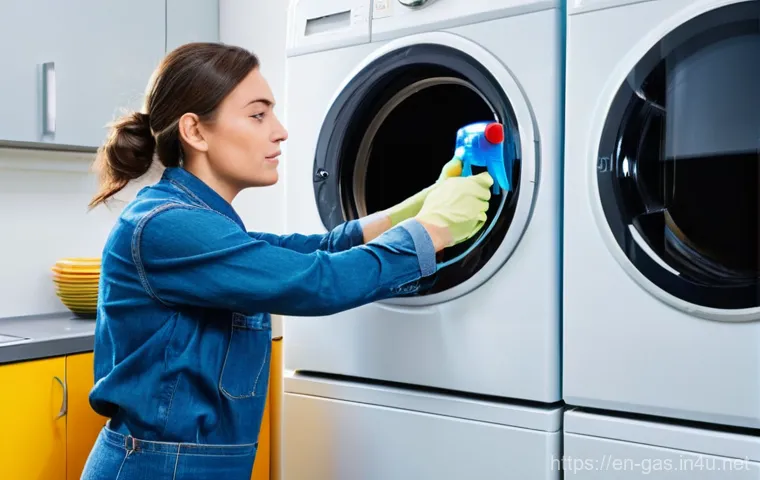
Alright, let’s get real for a moment. We all love the convenience our gas appliances bring, don’t we? That instant heat from the furnace, the never-ending hot water for showers, and the precise flame on our stovetop for cooking up a storm. It’s easy to take them for granted, humming along in the background. But here’s the thing I’ve learned the hard way: that ‘out of sight, out of mind’ mentality can seriously backfire. Neglecting these workhorses isn’t just about a potential inconvenience; it’s a genuine gamble with your family’s safety and your hard-earned cash. I’ve seen firsthand how a small oversight can escalate into a major headache, both financially and in terms of peace of mind. Trust me, a little proactive attention goes a long, long way in avoiding bigger, scarier problems down the road. It’s about being smart, not paranoid, and truly understanding what your home is trying to tell you.
Carbon Monoxide: The Silent Killer Lurking in Your Home
Let’s talk about carbon monoxide, or CO. This isn’t just some abstract threat; it’s a very real danger that every homeowner with gas appliances needs to be acutely aware of. What makes it so terrifying is its deceptive nature: it’s colorless, odorless, and tasteless. You literally won’t know it’s there until symptoms start to appear, and by then, it can be too late. My neighbor actually had a scare a few years back – their old furnace was venting improperly, and they started feeling perpetually tired, getting headaches. Luckily, their smart CO detector (which I constantly champion now!) picked it up before things got really serious. This experience really drove home for me that proper ventilation and regular maintenance of things like your furnace and water heater are non-negotiable. Poorly maintained or improperly installed gas appliances are the main culprits for CO leaks, turning your cozy home into a hazardous zone. It’s not about fear-mongering; it’s about being informed and protected.
Understanding Gas Leaks: More Than Just a Funny Smell
And then there’s the distinct, often sulfuric smell of natural gas – that ‘rotten egg’ odor. While it’s a brilliant additive that helps us detect leaks, sometimes the smell isn’t always immediately obvious, or our noses just aren’t as sensitive as they should be. A tiny, slow leak could be happening for ages before you finally catch a whiff, and by then, you’re not just dealing with wasted energy and higher bills, but a serious fire and explosion hazard. I remember a time when I thought I smelled something faint, shrugged it off, and then a few days later, it was undeniable. Turns out, it was a tiny hairline crack in a connection to my gas dryer. Lesson learned: if you ever suspect a gas leak, even a faint one, don’t procrastinate. It’s not worth the risk. Immediately ventilate the area, shut off the gas if you can safely, and call your gas company or a certified professional. Better safe than sorry, always.
Becoming a Home Safety Detective: Easy Checks You Can Do Yourself
You don’t need to be a certified technician to keep an eye on your gas appliances. Honestly, a little regular vigilance can make a world of difference. Think of yourself as your home’s personal safety detective! It’s about empowering yourself with knowledge and simple, actionable steps that can catch potential issues before they balloon into emergencies. I’ve found that just dedicating a few minutes a month to these basic checks gives me a huge sense of control and peace of mind. Plus, it helps me feel more connected to my home and understand its quirks better. These aren’t complicated tasks; they’re straightforward observations and simple tests that anyone can do, and they are incredibly effective at keeping your household running smoothly and safely. Let’s dive into some easy ways you can start your detective work today and become your own first line of defense against gas-related issues.
Your Nose Knows Best: The Power of Scent
Seriously, your nose is your first and best detector when it comes to natural gas. As I mentioned before, the distinct rotten egg smell is there for a reason – it’s your early warning system. Make it a habit to do a quick ‘sniff test’ around your gas appliances (furnace, water heater, stove, dryer) on a regular basis. I usually do it when I’m cleaning or just passing by. If you ever detect even a faint odor, don’t ignore it. It’s your signal to investigate further. Don’t second-guess yourself, because even a minor leak can accumulate over time and become dangerous. Trust your instincts on this one; if something smells off, it probably is. This simple act takes literally seconds but can prevent major problems down the line.
Visual Cues: What to Look For Around Your Appliances
Beyond smell, a quick visual inspection can tell you a lot. Look for anything out of the ordinary. Are there any scorch marks or soot buildup on or around your appliance vents? That could indicate improper combustion. Check the pilot light on older furnaces or water heaters – is it a strong blue flame, or is it yellow or flickering? A yellow or orange flame often signals an issue with combustion, possibly producing carbon monoxide. Also, keep an eye out for dust, debris, or rust near connections and vents. Blocked vents can lead to dangerous gas buildup. I make it a point to check the flexible gas lines for any kinks, cracks, or damage during my cleaning routine. These are all subtle hints your appliances give you that something might be amiss, and catching them early can save you a lot of trouble and expense.
The Bubble Test: A Simple Trick for Suspected Leaks
This is a super simple, old-school trick that still works wonders for pinpointing small leaks! If you suspect a leak but can’t quite smell it or see anything obvious, mix a solution of dish soap and water in a spray bottle. Then, spray this soapy mixture onto the gas lines, connections, and joints of the appliance you’re inspecting. If there’s a leak, you’ll see bubbles forming as the gas escapes through the soap solution. It’s incredibly satisfying to find the source this way, and it gives you concrete evidence. I’ve personally used this to find a very slow leak on my outdoor grill connection that I’d been wondering about for weeks. It’s a cheap, easy, and effective way to confirm your suspicions before calling in a pro.
Beyond the Basics: Smart Habits for Long-Term Appliance Health
Maintaining your gas appliances isn’t just about reacting to problems; it’s about cultivating smart habits that extend their lifespan, improve efficiency, and keep your home safe for years to come. Think of it like taking care of your car – regular oil changes and tune-ups prevent bigger breakdowns. The same principle applies to your furnace, water heater, and gas stove. These appliances are significant investments in your home, and with a little proactive care, you can ensure they deliver reliable service and don’t become energy hogs. I’ve personally found that the small amount of time and effort I put into these habits pays off immensely, not just in avoiding costly repairs, but also in lower energy bills and the peace of mind knowing my systems are running optimally. It’s about being a responsible homeowner and getting the most out of your home’s essential equipment.
Regular Cleaning: Keeping Vents and Burners Clear
Dust, lint, and grime are the silent enemies of efficiency and safety for gas appliances. For your furnace, make sure to change air filters regularly – every 1-3 months, depending on your home and pets. A clogged filter makes your furnace work harder, increasing energy consumption and potentially leading to overheating. For gas stoves, keeping the burner ports clean is crucial. Food spills can block the small holes where the gas comes out, leading to uneven flames and inefficient cooking. I use a small brush or a toothpick to gently clear them. For your gas dryer, always clean the lint trap after every load, and periodically clean the dryer vent hose itself. Lint buildup in the vent hose is a major fire hazard and drastically reduces drying efficiency. It’s amazing how much difference a little elbow grease in these areas can make!
Optimizing for Efficiency: It’s Good for Your Wallet and the Planet
Beyond just cleaning, there are ways to ensure your gas appliances are running at peak efficiency, which means less money out of your pocket and a smaller carbon footprint. For your water heater, consider insulating older tanks and pipes – it reduces heat loss and means the heater doesn’t have to work as hard to maintain temperature. Also, draining a gallon or two from the bottom of your water heater tank once a year helps remove sediment buildup, which can reduce efficiency. For your furnace, ensure your thermostat is programmed effectively, perhaps even upgrading to a smart thermostat that learns your habits. Properly sealed ductwork also prevents heat loss. I’ve personally seen a noticeable drop in my energy bills just by implementing these small changes. It’s a win-win: better for your budget and better for the environment.
When to Call in the Cavalry: Knowing When to Ring a Professional
As much as I love a good DIY project, there are definite lines we shouldn’t cross, especially when it comes to gas appliances. Knowing when to put down the wrench and pick up the phone to call a qualified professional is not just smart; it’s absolutely essential for safety. My motto has always been: when in doubt, call an expert. Attempting complex gas repairs or installations without the proper training and tools can turn a minor issue into a catastrophic one. It’s not about admitting defeat; it’s about being responsible and respecting the inherent dangers of natural gas. Professionals have specialized equipment, extensive training, and the necessary certifications to diagnose and fix problems safely and effectively. They know the ins and outs of local codes and regulations, which is something a DIY enthusiast simply can’t match. Here’s when you absolutely need to bring in the big guns.
The ‘Red Flag’ Checklist: Urgent Situations Demanding an Expert
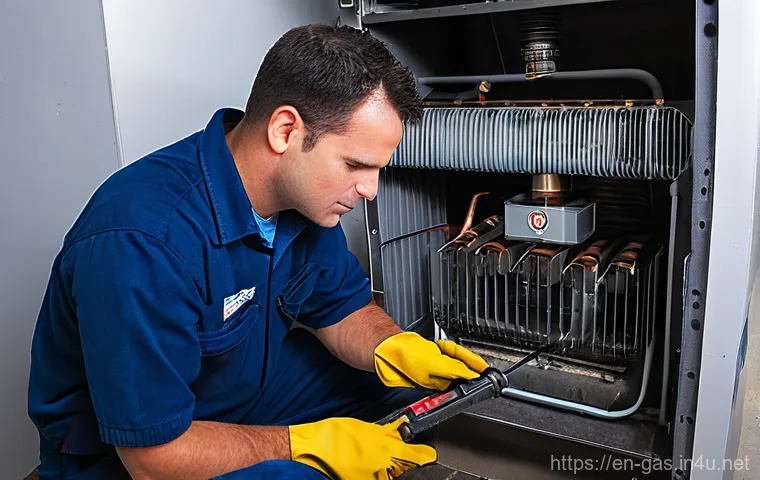
There are some clear red flags that scream “Call a pro NOW!” If you smell a strong gas odor, hear a hissing sound near a gas line, or see a yellow/orange flame on an appliance that should have a blue flame (other than a fireplace), do not hesitate. Also, if your carbon monoxide detector goes off, evacuate immediately and then call for help. Any signs of physical damage to gas lines or appliances, persistent unexplained headaches or nausea when appliances are running, or pilot lights that frequently go out are all serious indicators that you need professional help. Don’t try to troubleshoot these yourself. These situations require immediate, expert attention to prevent serious harm. I had a furnace acting up one winter, and while I thought it was just a minor glitch, the technician quickly identified a critical part that was failing and could have caused a CO leak. That call was easily one of the best decisions I’ve made.
Choosing Your Gas Pro: More Than Just a Name in the Phonebook
Finding the right professional is just as important as knowing when to call one. You want someone who is licensed, insured, and experienced specifically with gas appliances. Don’t just pick the first name you see online. Ask for recommendations from friends, family, or trusted neighbors. Check online reviews and look for companies with a solid reputation for safety and reliability. Always get a written estimate before any work begins, and don’t be afraid to ask about their certifications and experience. A good technician will be happy to explain what they’re doing and why. I usually look for companies that offer emergency services, just in case something happens outside of regular business hours. A trusted professional isn’t just a repairman; they’re a vital partner in maintaining your home’s safety and efficiency. Here’s a quick guide to help you choose wisely:
| Factor | What to Look For | Why It Matters |
|---|---|---|
| Licensing & Certification | State/local licenses, NATE certification (US), Gas Safe Register (UK), etc. | Ensures they meet industry standards and are legally qualified to work with gas. |
| Insurance | Liability insurance | Protects you from financial responsibility if accidents or damage occur during work. |
| Experience | Specific experience with your type of appliance (furnace, water heater, etc.) | Experienced pros can diagnose issues faster and more accurately, preventing costly errors. |
| Reputation | Positive online reviews, local recommendations | Indicates reliability, trustworthiness, and quality of service. |
| Transparent Pricing | Written estimates, clear breakdown of costs | Avoids surprises and ensures you understand what you’re paying for. |
Modernizing Your Home: Smart Tech for Enhanced Gas Safety
The world of home safety has truly evolved, and thanks to smart home technology, we now have incredible tools at our fingertips to monitor and protect our homes, especially when it comes to gas safety. Gone are the days of just a simple, beeping smoke detector; today’s devices are smarter, more integrated, and offer a level of peace of mind that was unimaginable just a decade ago. I’m a huge advocate for leveraging technology to make our lives safer and more convenient, and smart gas safety devices are definitely at the top of my list. They act as a constant, vigilant guardian, often detecting issues long before we ever could. It’s an investment, yes, but one that truly pays off in terms of protection for your family and property. Let’s explore how these clever gadgets can transform your home’s safety strategy.
Smart Carbon Monoxide Detectors: Your 24/7 Guardian
If you have gas appliances, a smart carbon monoxide detector isn’t just a suggestion; it’s an absolute necessity in my book. Unlike traditional CO detectors that simply beep loudly when a threat is detected, smart versions go a step further. They can send alerts directly to your smartphone, even when you’re not home, giving you critical information and allowing you to take action immediately. Many also integrate with other smart home systems, triggering alarms or even smart lights to flash a warning. Some even provide real-time CO level readings, allowing you to monitor air quality proactively. I’ve installed these throughout my home, and the ability to check the status from my phone while I’m out and about is genuinely reassuring. It’s like having an extra set of eyes and ears, constantly monitoring for the silent threat.
Integrating Safety with Your Smart Home Ecosystem
The real power of smart gas safety tech comes when it’s integrated into a larger smart home ecosystem. Imagine a scenario where a smart CO detector senses rising levels, immediately sends an alert to your phone, and simultaneously triggers your smart thermostat to shut down the furnace and your smart lights to turn on and flash red. This kind of coordinated response can be life-saving. Some systems even allow for integration with smart exhaust fans to help ventilate. While direct gas line shut-offs are usually manual or require professional installation, having intelligent alerts and automated responses for other aspects of your home’s environment significantly enhances overall safety. It’s about creating a layered defense, where all your devices work together seamlessly to protect your household.
Extending the Lifespan of Your Gas Appliances: A Proactive Approach
Just like we invest in quality vehicles and maintain them to last, our home’s gas appliances deserve the same proactive care. They’re critical components of our daily comfort and convenience, and getting the most out of them means understanding their typical lifespans and implementing a consistent schedule of preventative maintenance. Trust me, waiting for something to break down is almost always more expensive and stressful than preventing the problem in the first place. I’ve learned this lesson from experience, having had a water heater unexpectedly give out on a freezing winter morning! A proactive approach isn’t just about saving money in the long run; it’s about ensuring reliability, minimizing disruption, and maintaining a comfortable, safe home environment. Let’s talk about how to keep your essential gas systems running strong for as long as possible.
Understanding the Lifespan of Common Gas Appliances
It’s helpful to know the general expected lifespan of your gas appliances so you can budget for eventual replacements and understand when they might start needing more attention. For instance, a gas furnace typically lasts 15-20 years, while a gas water heater usually has a 10-15 year run. Gas ranges and ovens often have a longer life, sometimes 15 years or more, depending on usage and quality. Dryers are often in the 10-13 year range. Knowing these averages helps you gauge if an appliance is nearing the end of its typical service life, making you more vigilant for efficiency drops or subtle warning signs. If your furnace is pushing 18 years, for example, it might be wise to consider replacement options rather than pouring money into constant repairs. It’s about smart planning and managing expectations for your home’s infrastructure.
Preventative Maintenance Schedules: Your Best Defense
The single most effective way to extend the life of your gas appliances and ensure their safe operation is through regular preventative maintenance. This isn’t just about the DIY checks we talked about earlier; it’s about scheduling annual professional tune-ups. A certified HVAC technician, for example, will thoroughly inspect your furnace, clean components, check for leaks, verify proper ventilation, and ensure all safety mechanisms are functioning correctly. The same goes for your water heater. These professional check-ups catch minor issues before they become major breakdowns, optimize efficiency, and greatly reduce the risk of dangerous malfunctions. I personally schedule annual check-ups for my furnace and water heater every fall, before the cold weather hits. It’s a small investment that offers huge returns in terms of peace of mind, extended appliance life, and consistent home comfort.
Wrapping Things Up
So, there you have it, folks! We’ve covered a lot of ground today, from the silent dangers lurking in our homes to becoming a proactive home safety detective. My biggest takeaway, and what I truly hope resonates with you, is that our gas appliances, while incredibly convenient, demand our respect and attention. It’s not about being overwhelmed, but about being informed and taking those small, consistent steps that build a fortress of safety and efficiency around your home. Remember, a little vigilance goes a long, long way in protecting your loved ones, your property, and even your wallet. Let’s make home safety a priority, not just a thought when something goes wrong. Stay safe and smart!
Useful Information to Know
1. Always have at least one carbon monoxide detector on every level of your home, especially near sleeping areas. Consider upgrading to smart detectors for alerts on your phone, even when you’re away. They truly are a game-changer for peace of mind.
2. If you ever smell gas, even faintly, act immediately. Open windows and doors, turn off the main gas supply if you know how to do so safely, and evacuate your home before calling your gas company or emergency services from a safe distance. Never use electrical switches or phones inside the house if you suspect a leak.
3. Schedule annual professional inspections for your furnace and water heater. This preventative maintenance is the best investment you can make to extend their lifespan, ensure they operate efficiently, and catch potential safety issues before they become emergencies. Think of it as a yearly health check for your home’s vital organs!
4. Regularly clean around your gas appliances. This includes changing furnace filters every 1-3 months, cleaning stove burner ports, and diligently clearing the lint trap of your gas dryer after every use, and the vent hose periodically. These simple actions prevent fires and improve efficiency.
5. Educate everyone in your household, especially older children, about the signs of a gas leak or carbon monoxide poisoning. Knowing what to do and who to call in an emergency can make all the difference. Practice an escape plan and designate a meeting spot outside your home.
Key Takeaways
In essence, taking a proactive stance on gas appliance safety and maintenance is crucial for every homeowner. The “silent killer” of carbon monoxide and the distinct danger of gas leaks are real threats that can be mitigated with awareness and regular checks. Trust your senses – if you smell gas or notice anything unusual like a yellow flame, investigate immediately. While simple DIY checks like the bubble test are great, knowing when to call a licensed professional is paramount for complex issues or suspected serious leaks. Investing in smart carbon monoxide detectors offers an invaluable layer of protection, providing constant monitoring and remote alerts. Furthermore, understanding the expected lifespan of your appliances and committing to annual professional servicing will not only extend their operational life but also ensure they run efficiently, saving you money on energy bills and preventing costly, unexpected breakdowns. Your home’s safety is a continuous commitment, and with these practices, you’re well-equipped to keep your household secure and comfortable.
Frequently Asked Questions (FAQ) 📖
Q: How often should I truly be checking my gas appliances, and why is consistent maintenance such a big deal for homeowners?
A: Oh, this is a question I get all the time, and believe me, it’s one that truly hits home for me as a homeowner. We often think of our gas appliances—furnaces, water heaters, stoves—as these set-it-and-forget-it marvels, right?
But from my own experience, consistent maintenance isn’t just about avoiding a chilly shower; it’s genuinely about keeping your family safe and your wallet happy.
First off, for the big-ticket items like your furnace and water heater, an annual professional inspection is non-negotiable. Seriously, make it a yearly calendar event!
Think of it like a yearly physical for your car; you want a qualified pro to give everything a thorough once-over. They’ll check for subtle wear and tear, ensure all connections are tight, inspect burners for efficient combustion, and verify that ventilation is completely clear.
My neighbor learned this the hard way when a neglected furnace led to an unexpected carbon monoxide scare – thankfully, everyone was okay, but it was a terrifying wake-up call.
These annual checks not only catch potential dangers like gas leaks or carbon monoxide issues but also keep your appliances running efficiently, saving you money on those energy bills throughout the year.
Trust me, paying a little for prevention now is infinitely better than paying a lot for emergency repairs later! Beyond the pros, there are simple visual checks you can (and should!) do regularly.
I’m talking about peeking at your stove or water heater flames – they should be a crisp blue. If you see yellow or orange, that’s a red flag indicating incomplete combustion, and it means you should definitely call in a professional.
Also, make sure the areas around your appliances are clear of clutter and debris, especially around vents. A blocked vent can be a real hazard! I make it a point to glance at my vents every few weeks, just to ensure nothing has accidentally fallen or been pushed up against them.
These small, consistent habits truly add up to big peace of mind.
Q: What are the tell-tale signs that I might have a gas leak, and what’s the absolute first thing I should do if I suspect one?
A: This is probably the most critical question any homeowner can ask, and honestly, even thinking about a gas leak sends a shiver down my spine. The good news is, natural gas companies add a distinct odor to make leaks detectable, so you’re not flying completely blind.
The most famous sign, and one you absolutely need to etch into your memory, is the smell of rotten eggs or sulfur. It’s a really strong, unpleasant scent that’s hard to miss.
If you catch even a faint whiff of that, your alarm bells should be ringing! Beyond the smell, keep an ear out for any unusual sounds. A persistent hissing, whistling, or even a soft blowing sound near your gas lines or appliances can indicate gas escaping under pressure.
I remember a time I heard a faint hiss near my outdoor grill connection and, sure enough, a small leak had developed over the winter. Visually, you might also notice some odd things like bubbling water in puddles outside near your gas lines, unexplained patches of dead or discolored plants in your yard, or even a white cloud or mist forming around a gas line.
On a more subtle, and frankly, scarier note, physical symptoms like sudden headaches, dizziness, nausea, fatigue, or difficulty breathing, especially if experienced by multiple people in the household, can also be indicators of gas exposure or even carbon monoxide, which is often a byproduct of faulty gas appliances.
Now, for the absolute first thing you should do: Prioritize evacuation immediately! Seriously, get yourself, your family, and your pets out of the house right away.
As you’re leaving, do NOT turn on or off any electrical switches, unplug anything, use your phone inside, or open your garage door if it’s an automatic opener.
A tiny spark could be enough to ignite escaping gas, and you absolutely don’t want to risk that. Once you’re a safe distance away from the building, and I mean really safe, call your gas utility company’s emergency line or 911 right away.
They’ll send out professionals who can safely handle the situation. Do not go back inside for anything, and don’t try to find or fix the leak yourself.
This is one situation where being overly cautious is always the right call.
Q: When it comes to gas appliance issues, what are some simple checks I can safely do myself, and when is it unequivocally time to bring in a professional?
A: I totally get the desire to DIY and save a buck, especially with how quickly things can add up around the house! I’ve certainly tried my hand at plenty of home fixes over the years.
With gas appliances, there are definitely some safe, simple checks you can and should do regularly, but there’s a very clear line where you absolutely, positively must call in a professional.
For your DIY arsenal, a few things come to mind. First, regularly check your carbon monoxide detectors – you should have them near sleeping areas and on every level of your home.
Test them monthly and replace batteries annually. This is so crucial because CO is odorless and invisible. Second, as I mentioned before, keep an eye on your appliance flames.
For stoves, water heaters, and furnaces, a healthy flame is typically blue. If you see persistent yellow or orange flames, that’s a strong sign of inefficient burning or a potential issue with the gas-air mixture, and it’s time to call in an expert.
Third, ensure all vents and flues for your gas dryer, water heater, and furnace are clear of obstructions, dust, and lint. A blocked vent can lead to dangerous gas buildup.
And finally, a visual check of external gas hoses for your stove or dryer for any visible cracks, kinks, or wear can be useful, though you should never attempt to tighten or adjust gas connections yourself.
However, and this is where I really want to lean in and emphasize, any task that involves directly working on the gas line, disassembling an appliance, or anything beyond a basic visual check or filter change needs a licensed professional.
My personal rule of thumb is: if you can’t see the problem or if it involves a gas connection that feels loose, don’t touch it! Signs like the smell of gas, persistent hissing, or any issues with appliance ignition, unusual noises, or reduced heating capacity are immediate calls for a pro.
Trying to fix a gas leak or a faulty burner yourself not only risks making the problem worse (and more expensive!) but, far more importantly, it puts your entire household in serious danger of gas leaks, fires, explosions, or carbon monoxide poisoning.
Professionals have the specialized tools, training, and expertise to diagnose and repair these complex systems safely and effectively. Plus, many appliance warranties require professional servicing, so DIY repairs could actually void your coverage.
So, for anything that makes you feel even a tiny bit uncertain, trust your gut and dial that professional!