So, you’re thinking about a career in the gas industry—fantastic choice! It’s a field brimming with opportunity, offering stable work and great earning potential across the country.
But before you can confidently tackle those gas lines or service appliances, you’ll need the proper certification, and I know exactly what you’re thinking: “What’s this actually going to set me back financially?” It’s a completely valid question, and one I’ve personally grappled with when planning my own professional journey, from course fees to tool kits and exam costs.
Don’t let the unknowns hold you back from a lucrative future; let’s truly break down the investment required for your gas certification right here, right now, so you can plan your next big move with confidence.
Unpacking the Core Curriculum and Training Investment
Okay, let’s dive right into the meat and potatoes of this whole journey: the actual training and course fees. I remember staring at various program brochures, feeling a mix of excitement and mild panic about the price tags. It’s not just a single fee; you’re often looking at tuition for a specific program, registration costs, and sometimes even technology fees. These can vary wildly, whether you’re eyeing a vocational school, a community college, or a specialized training center. For a comprehensive gas technician program in the U.S., you might see figures ranging from a few thousand dollars for a basic certificate to upwards of $15,000 or even $20,000 for an extensive associate’s degree that covers a broader scope like HVAC-R, which often includes gas work. I’ve found that shorter, focused courses, perhaps specifically for natural gas or propane systems, tend to be on the lower end, while programs that encompass residential, commercial, and industrial applications will naturally demand a higher investment. What really hit me was realizing that some of the best programs aren’t necessarily the most expensive, but rather the ones with strong industry connections and hands-on learning opportunities. It’s worth a deep dive into the curriculum details because a program that offers ample lab time and real-world scenarios, even if it costs a bit more upfront, can pay dividends in practical skills and job readiness. Don’t be shy about asking for a detailed breakdown of what’s included and what might be extra – I learned that the hard way with a “textbook fee” that felt like a surprise party I didn’t ask for!
Choosing Your Path: Vocational Schools vs. Community Colleges
When I was first exploring my options, I found myself weighing vocational schools against community colleges quite a bit. Vocational schools often offer highly specialized, accelerated programs designed to get you into the workforce quickly. They’re usually very hands-on, which is fantastic if you’re like me and learn best by doing. The downside can sometimes be a higher per-credit cost, but the overall program length is shorter, so your total outlay might be comparable or even less. Community colleges, on the other hand, tend to offer more traditional academic structures, often leading to an Associate’s degree. They can sometimes be more affordable per credit hour, and they might offer a broader educational experience with general education requirements. However, this also means a longer time commitment. Personally, I leaned towards a vocational setup because I was eager to get my hands dirty and start working as soon as possible. The key is to look at the program’s reputation, accreditation, and job placement rates. A school that actively helps its graduates find employment is invaluable, and something I always prioritize in my research.
Understanding What’s Included (and What’s Not)
This is where things can get a little tricky and where my personal experience really taught me to be thorough. The headline tuition fee rarely tells the whole story. You need to scrutinize what’s baked into that cost. Are textbooks and learning materials included, or are those extra? Is there a lab fee for using specialized equipment? What about personal protective equipment (PPE) like safety glasses, gloves, and steel-toed boots? Some programs might bundle a basic toolkit into the tuition, which is a huge win, but many don’t. I made a spreadsheet, literally, to compare programs side-by-side, itemizing every potential cost. It’s not just about the biggest number; it’s about the total cost of getting *through* the program and ready for your certification exam. Don’t forget to factor in transportation costs to and from the school, and if you’re relocating, living expenses. It all adds up faster than you’d think, so getting a clear, itemized breakdown upfront is crucial for budgeting effectively.
Equipping Yourself: The Essential Toolkit Investment
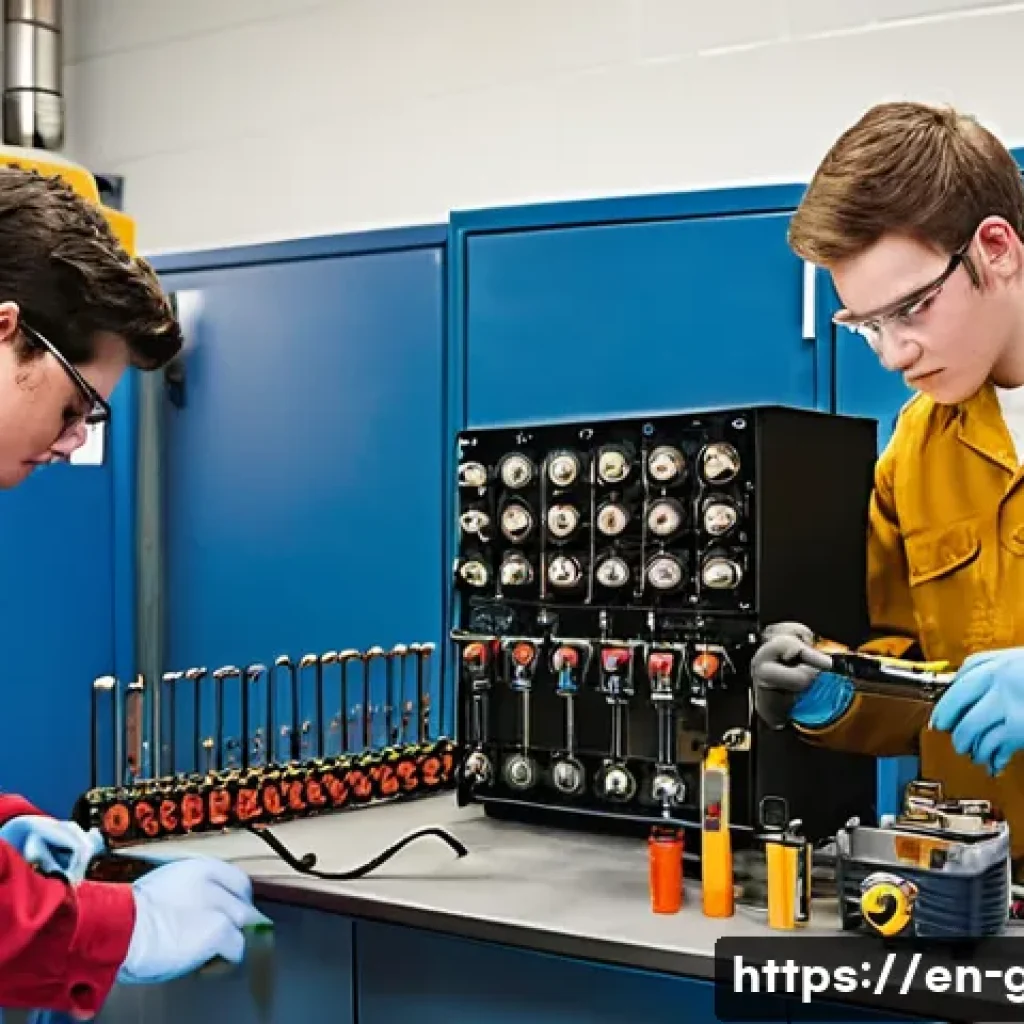
Alright, let’s talk tools! This is an area where I truly believe in investing wisely. You can’t tackle gas lines with a butter knife, right? Getting your gas certification isn’t just about classroom knowledge; it’s about having the right gear to do the job safely and effectively. I still remember the excitement, and a bit of sticker shock, as I started piecing together my first professional toolkit. It’s an ongoing process, honestly, but you’ll need a solid foundational set of hand tools, specialized gas testing equipment, and safety gear. Think about items like pipe wrenches, multimeters, gas leak detectors, pressure gauges, tubing cutters, and a robust set of screwdrivers and pliers. These aren’t cheap, and while some entry-level kits exist, you often get what you pay for in terms of durability and accuracy. I’ve personally found that buying quality tools from reputable brands might be a higher upfront cost, but they last longer and perform better, saving you headaches and replacements down the line. Plus, there’s nothing quite like the confidence that comes with knowing your tools are reliable and up to the task. It’s like a good chef having sharp knives – essential!
Building Your Basic Hand Tool Collection
Starting with the basics is key here. Before you even think about the fancy diagnostic gadgets, you’ll need a solid collection of everyday hand tools. We’re talking about things like adjustable wrenches, sturdy screwdrivers (both Phillips and flathead, in various sizes), reliable pliers (needle-nose, slip-joint, channel-lock), a good hammer, and a tape measure. You’ll also need a decent utility knife and a level. While you might already have some of these kicking around your garage, professional-grade tools are designed for daily use and abuse, making them far more durable. I’ve personally seen cheap tools fail at the worst possible moment, leading to frustration and potential safety hazards. Expect to shell out a few hundred dollars, maybe even closer to $500-$700, for a decent starter set of quality hand tools. Think of it as investing in your hands – they’re your primary assets in this line of work!
Specialized Gas Testing and Safety Equipment
This is where the costs can really ramp up, but these items are non-negotiable for safety and compliance. You absolutely need a reliable gas leak detector, a combustion analyzer (for efficiency and safety checks), and various pressure gauges to test gas lines. Personal protective equipment (PPE) like fire-resistant gloves, safety glasses, and a good respirator are also vital. I remember agonizing over which combustion analyzer to buy; they range from a few hundred dollars to several thousand. My advice? Start with a mid-range model from a well-known brand. You can always upgrade later as your career progresses and you understand your specific needs better. Don’t ever skimp on safety equipment. Your life, and the lives of your clients, literally depend on it. This category alone could easily set you back $1,000 to $3,000, depending on the sophistication of the equipment you choose. It’s a significant investment, but one that is absolutely essential for safe and professional work.
The Price of Proving Your Prowess: Certification Exam Fees
After all the hard work, the studying, the hands-on practice, you finally get to the moment of truth: the certification exams. This is where you prove you’ve got what it takes, and naturally, there’s a cost associated with it. I distinctly remember the butterflies in my stomach on exam day, and the added pressure of knowing I’d paid good money to even sit there. These fees vary widely depending on the specific certification body and the type of gas work you’re aiming for. For example, in the U.S., you might be looking at EPA Section 608 certification for refrigerants (often linked with HVAC/R, which includes gas work), or specific NATE certifications for various specialties. Each exam typically carries its own fee, ranging from around $75 to $200 per attempt. And yes, I said “per attempt” because sometimes, despite all your preparation, you might not pass on the first try. It happens, and it’s okay! But it does mean factoring in potential re-take fees, which are usually the same as the initial exam fee. It’s a necessary hurdle, and honestly, the sense of accomplishment when you finally pass is worth every penny.
Understanding Different Certification Bodies and Their Costs
It’s not just one “gas certification” out there; the industry has various credentials, each with its own focus and cost. For those in HVAC/R in the U.S., the EPA Section 608 certification is often a baseline, particularly for handling refrigerants, which is intertwined with many gas-fired HVAC systems. Then you have organizations like NATE (North American Technician Excellence), which offers a whole suite of specialized certifications for areas like gas heating, air distribution, and heat pumps. Each NATE exam, focused on a specific specialty, might cost around $100-$150. Some states or local jurisdictions might also have their own licensing requirements and associated fees. For instance, in some areas, a plumbing license might be required to perform certain gas line installations. It’s crucial to research the specific certifications relevant to your desired career path and geographical area. My advice is to identify the most critical ones first and budget for those, then consider additional certifications as you gain experience.
The Realities of Re-takes and Renewal Costs
Let’s be real: not everyone aces every exam on the first try, and that’s perfectly normal. I’ve had my share of re-takes in various professional endeavors, and while it stings a bit to pay that fee again, it’s a small price to pay for ultimately achieving your goal. Budgeting for potential re-take fees is just smart planning. Beyond the initial certifications, remember that these aren’t usually one-and-done deals. Most professional certifications require renewal, typically every 2-5 years, to ensure you’re staying current with industry standards and best practices. These renewal fees are usually less than the initial exam fees, perhaps in the range of $50-$100, but they’re an ongoing cost you need to factor into your long-term career plan. Sometimes, continuing education units (CEUs) are also required for renewal, and those courses can also have costs associated with them. It’s an investment in keeping your skills sharp and your credentials valid.
Navigating the Financial Aid Landscape: Making Certification Accessible
Let’s face it, the costs can look daunting at first glance. But here’s the good news: you don’t always have to shoulder the entire burden yourself. I’ve personally seen so many colleagues benefit from various forms of financial assistance, and it’s truly a game-changer. There are numerous avenues to explore, from federal student aid for accredited programs to scholarships specifically designed for skilled trades. Many vocational schools and community colleges have financial aid offices dedicated to helping prospective students navigate these options. Don’t ever assume you won’t qualify; it truly never hurts to ask. I’ve found that even a small scholarship can significantly reduce the pressure, allowing you to focus more on your studies and less on the immediate financial strain. It’s all about doing your homework and being proactive in seeking out these opportunities.
Exploring Scholarships and Grants for Skilled Trades
This is one area where I really encourage everyone to dig deep. There are surprisingly many scholarships and grants out there specifically targeting individuals pursuing careers in the skilled trades, including gas technology. Organizations like the HVACR Education Foundation, various trade associations, and even local community groups often offer financial assistance. These aren’t just for traditional four-year degrees; many are tailored for certificate or diploma programs at vocational schools. The application process usually involves essays, transcripts, and letters of recommendation, but the effort is absolutely worth it if it means reducing your financial burden. I remember spending hours researching these, and while I didn’t get every one I applied for, the ones I did secure made a huge difference. Don’t limit yourself to national programs; check local organizations, utilities, and even manufacturers, as they sometimes have their own scholarship initiatives.
Government Programs and Employer Sponsorships
Beyond scholarships, there are often government-backed programs that can help. In the U.S., for instance, federal student aid like Pell Grants can apply to many accredited vocational programs. Veterans’ benefits are another significant resource for eligible individuals. It’s always worth a visit to your local workforce development board or employment office; they often have information on job training grants or programs designed to help people enter high-demand fields like gas technology. And here’s a tip I’ve seen work wonders: some employers are willing to sponsor promising new hires or current employees for certification training. If you’re already working in an adjacent field or have secured an entry-level position, ask about employer tuition reimbursement or sponsorship programs. It shows initiative and can be a win-win for both you and your company, as they gain a more highly skilled employee without you bearing the full cost.
The Unseen Costs: Licenses, Insurance, and Continuing Education
When you’re first mapping out your career, it’s easy to focus on the immediate costs of training and certification. But speaking from experience, there’s a whole layer of “unseen” costs that are absolutely vital for a legitimate and successful career in the gas industry. These are the expenses that ensure you’re legally allowed to work, protected from liabilities, and always up-to-date with evolving standards. I’ve learned that overlooking these can quickly lead to bigger problems down the road, from legal issues to losing out on jobs because you’re not fully compliant. Think of it as the ongoing maintenance cost of your professional identity. It’s not just about getting the paper; it’s about maintaining your credibility and legal standing in a field where safety is paramount. This is a journey, not a destination, and these recurring costs are part of keeping your engine running smoothly.
Licensing Fees and Legal Requirements
Depending on your location and the specific type of gas work you’re doing, you might need various licenses in addition to your certifications. For example, many states or municipalities require a specific contractor’s license to perform gas line installations or repairs. These licenses often have their own application fees, renewal fees, and continuing education requirements. I remember being a bit overwhelmed by the sheer number of different licenses and permits I needed to understand when I was first starting out. It’s crucial to research the exact requirements for your specific area. A quick call to your local building department or state licensing board can clear up a lot of confusion. These fees can range from a few dozen dollars annually to several hundred, and they are non-negotiable for legal operation. Ignoring these legalities is a surefire way to run into trouble, so always factor them into your budget right from the start.
Insurance: Protecting Your Business and Yourself
This is absolutely critical, and something I learned the importance of very early on. If you plan to work independently or even as a contractor for a larger company, you absolutely must have liability insurance. Accidents happen, and working with gas involves inherent risks. A small mistake could lead to significant property damage or even injury, and without insurance, you could be facing devastating financial consequences. General liability insurance, and potentially professional indemnity insurance, will protect you from claims of negligence or property damage. The cost of insurance varies based on your location, the scope of your work, and your claims history, but you can expect to pay anywhere from a few hundred to over a thousand dollars per year. It’s an ongoing expense, but one that provides immense peace of mind. Think of it as a safety net that allows you to work with confidence, knowing you’re protected should the unexpected occur.
| Cost Category | Estimated Range (USD) | Typical Frequency | Key Considerations |
|---|---|---|---|
| Vocational/Associate’s Program | $3,000 – $20,000+ | One-time (per program) | Varies by program length, depth, and institution; often includes some materials. |
| Basic Hand Tools | $300 – $700 | One-time initial purchase | Focus on quality for durability; ongoing replacements as needed. |
| Specialized Gas Equipment | $1,000 – $3,000+ | One-time initial purchase | Gas leak detector, combustion analyzer, pressure gauges; essential for safety. |
| Certification Exam Fees | $75 – $200 per exam | Per attempt; initial and re-takes | EPA, NATE, local certifications; research specific requirements. |
| State/Local Licensing Fees | $50 – $500 per year | Annual or biennial renewal | Mandatory for legal operation in many jurisdictions. |
| General Liability Insurance | $500 – $1,500+ per year | Annual premium | Crucial for protecting against claims of damage or injury. |
| Continuing Education (CEUs) | $100 – $500 per cycle | Every 2-5 years (for renewals) | Keeps your skills current and maintains certifications. |
The Return on Investment: What a Gas Certification Can Unlock
Now, I know we’ve talked a lot about costs, and it can feel like a mountain of expenses. But let’s shift gears for a moment and focus on the exciting part: the incredible return on investment you can expect from getting your gas certification. This isn’t just about getting a piece of paper; it’s about unlocking a career path that offers stability, excellent earning potential, and a sense of pride in providing an essential service. I’ve personally experienced the satisfaction of knowing I have a valuable skill that’s always in demand, regardless of economic ups and downs. The initial investment, while significant, pales in comparison to the long-term benefits. We’re talking about a career that many find incredibly rewarding, both financially and professionally. It truly changes your financial outlook and provides a foundation for a secure future, and I wouldn’t trade that feeling for anything.
Average Earnings and Career Trajectories
Let’s talk numbers, because that’s often what everyone wants to know, right? A certified gas technician or HVAC/R technician with gas endorsements can expect a very respectable income. Entry-level positions might start in the $35,000 to $45,000 range annually, but with experience, additional certifications, and specialization, that number can quickly climb. I’ve seen experienced technicians in my network earning well into the $60,000 to $80,000 range, and those in specialized roles or management positions even more. There’s a clear career ladder in this industry: you can move from an apprentice to a lead technician, specialize in commercial or industrial systems, or even start your own business. The demand for skilled tradespeople, especially those proficient in gas systems, continues to outpace supply, which means competitive wages and job security. This isn’t just a job; it’s a career with genuine upward mobility, and that’s something I absolutely value.
Job Security and Industry Demand

One of the biggest advantages, in my opinion, of pursuing a career in the gas industry is the sheer job security. Think about it: homes and businesses always need heating, hot water, and cooking gas. These aren’t luxury services; they’re essential. This means that even when other sectors might be struggling, the demand for skilled gas technicians remains consistently strong. I’ve never really worried about finding work, and that’s a huge relief in today’s unpredictable world. Utility companies, HVAC companies, plumbing companies, and even industrial plants constantly need qualified professionals to install, maintain, and repair gas systems. It’s a field that isn’t going anywhere, and the specialized knowledge you gain makes you an indispensable asset. Knowing that your skills are in high demand provides a profound sense of security and stability, which is, frankly, priceless in my book.
Beyond the Books: Tools, Truck, and Ongoing Education
While we’ve covered the major financial hurdles, it’s really important to look at the bigger picture. Your investment isn’t just in a certificate; it’s in building a career. And that often means thinking beyond the initial course fees and exams. I always tell aspiring technicians to consider the “whole package” – the tools you’ll acquire, potentially a service vehicle if you’re going independent, and the commitment to lifelong learning. It’s not a one-and-done deal; the industry is constantly evolving with new technologies, regulations, and efficiency standards. I’ve personally spent countless hours at workshops and seminars, keeping my knowledge sharp. This ongoing commitment to your craft ensures you remain competitive, proficient, and most importantly, safe in a critical field. It’s about cultivating a mindset of continuous improvement, which pays dividends in client trust and career longevity.
The Vehicle for Success: Your Service Truck
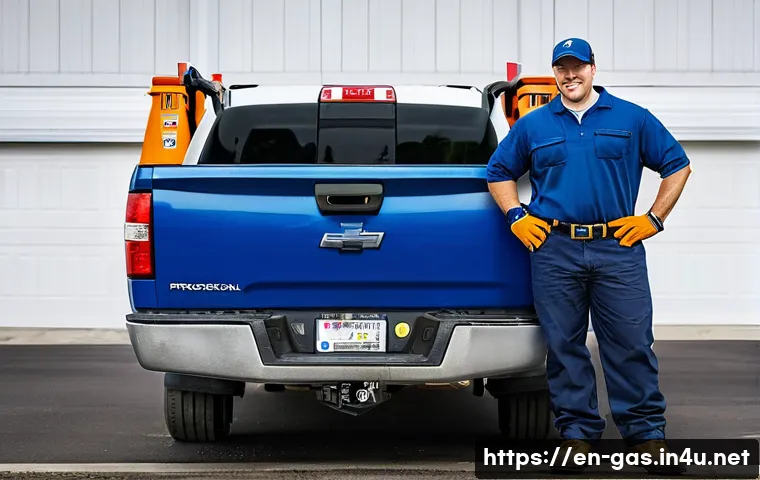
For many gas technicians, especially those working independently or for smaller companies, a reliable service vehicle becomes an extension of their business. This isn’t just any car; it’s your mobile workshop, your storage unit, and your advertising billboard all rolled into one. While it might not be an immediate cost for everyone (some companies provide vehicles), if you dream of branching out on your own, it’s a significant investment. You’ll need something spacious enough to carry your tools, parts, and equipment, and ideally, something fuel-efficient and dependable. Initial purchase costs, insurance, maintenance, and fuel all add up. I started with a used van, which required a fair bit of TLC, but it was a stepping stone. Eventually, upgrading to a newer, more efficient model felt like a huge professional leap. It’s definitely a factor to consider in your long-term financial planning for this career.
Investing in Lifelong Learning and Advanced Certifications
The gas industry is dynamic, and what was cutting-edge five years ago might be standard practice today, or even obsolete. That’s why I’m such a huge advocate for continuous learning. It’s not just about meeting renewal requirements for your certifications; it’s about staying ahead of the curve. Think about advanced certifications in specific areas like commercial gas systems, hydronic heating, or smart home integration with gas appliances. These specialized skills often command higher pay rates and open doors to more complex, interesting projects. Attending workshops, industry conferences, and online courses are all part of this. While each of these might have a cost associated with them, I view it as an investment in my future earning potential and my professional growth. It keeps the job interesting, keeps clients happy with up-to-date solutions, and frankly, it keeps me passionate about what I do.
Budgeting for the Unexpected: Contingencies and Miscellaneous Fees
Okay, let’s get real for a moment. No matter how meticulously you plan, life has a funny way of throwing curveballs. When you’re budgeting for your gas certification journey, it’s absolutely crucial to factor in a buffer for the unexpected. I’ve learned this lesson more times than I care to admit, whether it was a tool breaking unexpectedly, a required course material suddenly changing, or needing to travel further for a specialized exam. These aren’t necessarily huge, single costs, but they add up, and without a contingency fund, they can throw your whole plan off track. It’s like having an emergency fund for your career launch. Having a little extra tucked away means you won’t panic if something unforeseen pops up, allowing you to stay focused on your training and goals. Trust me, future you will thank present you for thinking ahead!
Tool Breakages and Replacements
Even the highest quality tools can break or get lost, especially when you’re using them day in and day out. I’ve had pipe wrenches slip, screwdrivers snap, and multimeters decide to take an unexpected tumble. While warranties help, sometimes you need a replacement *now* to get a job done. Budgeting a small amount monthly or annually for tool replacement and repair is just good practice. It prevents you from having to dip into your living expenses or, worse, delaying work because you don’t have the right equipment. It’s an ongoing, subtle cost that many forget to factor in, but it’s a very real part of working with your hands. Having a little slush fund for these incidents means you can replace items quickly and keep working without a hitch, minimizing downtime and maximizing your earning potential.
Travel, Lodging, and Incidental Expenses
Depending on where you live and where your chosen training program or exam center is located, travel and lodging can become a significant, often overlooked, expense. I remember having to drive a couple of hours for a specific hands-on training module, and those gas costs and even a night in a cheap motel really added up quickly. Don’t forget about incidental expenses like meals on the go, parking fees, or even the cost of a decent coffee to power through a late-night study session. These small amounts, when accumulated over the entire training period, can be substantial. It’s wise to set aside a dedicated fund for these “little” things that contribute to the overall cost of getting certified. A realistic budget accounts for not just the big-ticket items, but also the daily expenses that keep you going.
Wrapping Things Up
Whew! We’ve covered a lot of ground today, diving deep into the financial side of becoming a gas technician. I know it can seem like a hefty investment when you lay it all out, from tuition to tools, certifications, and even ongoing education. But honestly, every penny I’ve put into this career has come back to me tenfold, not just in earnings, but in job satisfaction and the sheer confidence that comes from knowing you possess a highly sought-after skill. This isn’t just about paying fees; it’s about investing in a stable, rewarding future where your expertise is genuinely valued. Trust me when I say, the sense of accomplishment you’ll feel when you successfully complete a complex job, knowing you’ve kept someone’s home safe and warm, is absolutely priceless.
Handy Tips to Keep in Mind
1. Do Your Homework Early: Before committing to any program, spend quality time researching schools, instructors, and their job placement rates. A reputable institution with strong industry connections can make all the difference in your early career. Don’t be afraid to visit campuses and talk to current students or recent grads – their insights are invaluable.
2. Budget Beyond Tuition: Remember to factor in all the “hidden” costs like textbooks, specific tools, PPE, potential re-take fees for exams, and even daily commuting expenses. Creating a detailed spreadsheet, as I did, can help you visualize the full financial picture and avoid any unwelcome surprises.
3. Actively Seek Financial Aid: Seriously, don’t leave money on the table! Explore every avenue for scholarships, grants, and government programs designed for skilled trades. Many organizations want to help you succeed, and a little digging can uncover significant financial support.
4. Invest in Quality Tools Gradually: While the upfront cost for a complete toolkit can be daunting, prioritize essential, high-quality items first. You can always build out your specialized collection over time as your skills grow and you identify exactly what you need most for your specific work. Quality tools truly save you money and headaches in the long run.
5. Embrace Lifelong Learning: The gas industry is always evolving. View continuing education, advanced certifications, and industry workshops not as obligations, but as opportunities to expand your expertise, stay competitive, and potentially increase your earning potential. It keeps things fresh and ensures you’re always at the top of your game.
Key Takeaways
Ultimately, becoming a certified gas technician is a journey that requires a thoughtful financial investment, but it’s one that consistently delivers a remarkable return. We’ve seen how costs span from initial training and essential tools to ongoing certifications, licensing, and insurance, all critical for a legitimate and successful career. What truly makes this path worthwhile, in my experience, is the robust job security, excellent earning potential, and the profound satisfaction of being a highly skilled professional in an essential field. By planning carefully, leveraging available financial aid, and committing to continuous learning, you’re not just buying a certification; you’re building a foundation for a stable, rewarding future. It’s a commitment, yes, but one that has genuinely changed my life for the better, and I believe it can do the same for you.
Frequently Asked Questions (FAQ) 📖
Q: So, what’s the real bottom line on gas certification? Like, how much am I actually looking at for everything?
A: Oh, that’s the million-dollar question, isn’t it? Or, well, not a million, but it definitely feels like a big step! From my own journey and chatting with so many folks in the trade, I can tell you the “total cost” for gas certification isn’t a single, neat number you can just pluck out.
It’s more like a layered cake, and each layer adds to the bill. First off, you’ve got your core training and course fees. In places like the UK, a full new entrant gas training route could start anywhere from around £4,440 and go up to £7,495, sometimes even more if you include VAT and advanced modules.
Over in Canada, I’ve seen G3 courses for around $6,500, but a combined G3 and G2 program might set you back about $7,015. For our friends in the US, while there isn’t one universal “gas certificate,” pursuing something like an HVAC or plumbing license that includes gas work, or a specific gas work qualification, involves varying tuition that could be a few thousand dollars, depending on the program’s length and depth.
Then there are the exam fees, which are usually separate from the course tuition. You might also need specific codebooks, which aren’t always included in the initial course price.
And let’s not forget the tools! You don’t need to break the bank on the fanciest gear right away, but a decent starter kit is essential. Think about the basics like gas detectors, pressure gauges, and a good multimeter.
These can quickly add a few hundred to a thousand dollars, depending on quality. If you’re a new entrant, some programs might even require a portfolio of work experience, which could mean additional costs or time investment.
It really is an investment in yourself and your future, but knowing these pieces upfront helps you budget smarter.
Q: Are there any hidden fees or things that can make the cost totally spiral out of control? What should I watch out for?
A: Absolutely, it’s savvy to be on the lookout for those sneaky extras! I’ve seen it happen, and it’s always better to be prepared. The biggest thing that can inflate the cost is often tied to additional certifications or re-takes.
Say you pass your core gas safety assessment (like CCN1 in the UK), but then realize you want to work on commercial appliances or specific types of heating systems.
Each of those additional modules or ‘elements’ will have its own training and assessment fees. In the UK, checking extra appliances could add £10-£20 per item during an inspection, and even more for certification.
Location plays a huge part too! Costs in major metropolitan areas, like London or New York City, tend to be significantly higher due to increased operational costs and living expenses.
So, where you decide to get certified can impact the overall price tag quite a bit. Also, emergency or out-of-hours inspection requests or last-minute sign-offs can incur premium charges.
And here’s a big one: what if you don’t pass an exam on the first try? Re-sit fees are a real thing, and they can add up if you’re not fully prepared.
I always tell aspiring technicians to dedicate ample study time and leverage all available resources to avoid these extra charges. Some training centers might also have administration fees or charges for additional training days if you need extra help, so it’s always wise to ask for a full breakdown of all potential costs before you commit.
Knowing these variables upfront can save you a real headache down the road.
Q: Okay, so it sounds like an investment. Is there any way to make it more affordable or get some help with the upfront costs?
A: You’re totally right, it’s a significant investment, but one with a fantastic return potential! The good news is, there are definitely ways to make it more manageable.
From my personal experience and seeing how many pros got their start, seeking out financial assistance is a game-changer. Many vocational schools and training centers offer scholarships or grants specifically for skilled trades.
These are essentially free money you don’t have to pay back, which is always a win! You’d be surprised how many are out there, especially if you fit certain criteria or demonstrate a real passion for the trade.
Also, don’t overlook government programs; in places like the US, there are workforce development grants or initiatives like the Mass Save Workforce Training Grant for energy efficiency that can provide significant funding – sometimes up to $7,500 per individual!
In Canada, programs like the First Nations & Inuit Post-Secondary Student Support Program offer tuition and supply assistance. Another avenue is looking into student loans.
While they do need to be repaid, they can provide the upfront capital to get your training sorted. Many institutions also offer flexible payment plans, breaking down the total cost into smaller, more manageable installments.
And if you’re already employed or looking to transition, some companies actually sponsor their employees’ training, especially if they see long-term value in your new skills.
It’s always worth asking your current or prospective employer about such opportunities. Finally, a bit of strategic shopping can go a long way. Compare quotes from different training providers, but always make sure they’re reputable and accredited.
Sometimes bundling services, like getting your boiler serviced at the same time as a gas safety check if you’re already in the field, can lead to small savings too.
The key is to explore all your options and not be afraid to ask for help – there’s a strong demand for skilled gas technicians, and resources are often available to help you step into this rewarding career!