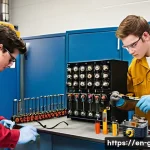
Are you a skilled gas-certified professional, perhaps looking at your toolkit and wondering if there’s a bigger dream waiting? I totally get it. For years, your expertise has been invaluable, keeping homes warm and businesses running safely.
But what if I told you that very license in your hand isn’t just a permit to work, but a powerful springboard into the thrilling world of entrepreneurship?
It’s a game-changer! The current landscape for trades, particularly in energy and utility services, is absolutely buzzing. With a global push towards sustainability, smart home integration, and modernizing infrastructure, the demand for qualified gas technicians who are also savvy business owners is skyrocketing.
I’ve personally seen firsthand how folks with your specific kind of hands-on knowledge are perfectly positioned to build incredibly successful ventures, blending their craft with smart business strategies.
It’s truly an exciting time to consider making that leap! Many find the idea of starting their own business daunting, and that’s completely normal. The good news is, there are fantastic support systems and case studies out there showing exactly how licensed gas professionals like yourself can transition from employee to thriving entrepreneur.
Imagine having the freedom to set your own terms, build a team, and directly serve your community, all while leveraging the skills you’ve honed over years.
It’s not just wishful thinking; it’s a very real and attainable goal, and the resources to help you get there are more accessible than ever. Let’s delve deeper into some incredible success stories and discover the pathways designed to empower you to build your own legacy.
Transitioning from Technician to Trailblazer
Stepping out of the employee role and into the shoes of a business owner can feel like jumping into a whole new world, even if you’ve been a gas-certified pro for years. I totally get that initial hesitation; it’s a big leap! But what I’ve personally witnessed, time and again, is that your hands-on experience isn’t just a credential—it’s your ultimate superpower. Think about it: you understand the intricacies of gas systems, the safety protocols, and what customers truly need because you’ve been on the front lines. This isn’t something you can learn in a textbook; it’s earned wisdom. The key here is not just starting a business, but building a legacy. It’s about leveraging every single problem you’ve ever solved, every complex installation you’ve mastered, and every client interaction you’ve had to create a service that stands head and shoulders above the rest. The shift isn’t just about managing a team or balancing books; it’s about owning your expertise and channeling it into something truly your own, something that reflects your values and passion for quality work. This journey is incredibly rewarding, offering a level of autonomy and impact that you just can’t get working for someone else.
Leveraging Your License as Your Launchpad
Your gas certification isn’t just a piece of paper; it’s a golden ticket. In the energy and utility sector, trust and competence are paramount, and your license immediately signals both. This credibility is a massive advantage when you’re starting out. Instead of spending years building a reputation from scratch, you already have a foundation of proven skill. I’ve seen countless individuals use this existing trust to secure their first big clients, often through word-of-mouth referrals from past satisfied customers who knew them as a reliable technician. It’s about more than just legal compliance; it’s a stamp of approval that tells potential clients and partners that you meet rigorous industry standards. This enables you to bypass a significant barrier to entry that many new entrepreneurs face, allowing you to focus on the exciting parts of building your business rather than constantly proving your fundamental capabilities. It’s a powerful asset, don’t ever underestimate its value as you launch your venture.
Shifting Your Mindset: From Employee to Visionary
Making the mental switch from “doing the work” to “leading the vision” is probably one of the toughest, yet most crucial, parts of this transition. For so long, your focus might have been on excelling at your specific tasks, following established procedures, and hitting daily targets. As an entrepreneur, you’re not just executing anymore; you’re strategizing, innovating, and planning for the future. I remember talking to a gas technician who started his own HVAC business, and he shared how initially, he kept wanting to just fix everything himself. He had to consciously train himself to delegate, to trust his team, and to step back to see the bigger picture. It’s about understanding that your role shifts from being the best individual contributor to becoming the orchestrator of success. This means embracing financial planning, marketing, customer service, and team building – areas you might not have focused on before. It’s exhilarating to realize you’re now charting your own course, but it requires a conscious effort to adopt a more holistic, forward-thinking perspective.
Crafting Your Business Blueprint: More Than Just Pipes
Starting a business, even with a solid trade, needs a robust plan. It’s tempting to jump straight into work, but trust me, taking the time to outline your vision, services, and operational flow will save you countless headaches down the line. I’ve seen people thrive because they spent weeks, even months, meticulously mapping out their blueprint, and others struggle because they just winged it. This isn’t just about writing a formal business plan for a bank, though that’s often a crucial step. It’s about getting crystal clear on what kind of business you want to build, who you want to serve, and how you’re going to deliver exceptional value. Think about what truly differentiates you. Is it your unparalleled attention to detail on boiler installations? Your rapid response time for emergency repairs? Or perhaps your commitment to integrating sustainable energy solutions? Defining these core elements early on will inform every decision you make, from hiring to marketing, ensuring you build a business that not only succeeds but also truly reflects your passion and expertise.
Defining Your Niche: What Makes You Unique?
In a competitive market, trying to be everything to everyone is a recipe for mediocrity. Your gas certification provides a broad foundation, but honing in on a specific niche can propel you to success. I’ve seen gas professionals carve out highly profitable businesses by focusing on niche services like high-efficiency boiler installations for commercial properties, smart home gas appliance integration, or even specialized maintenance contracts for historical buildings. Don’t be afraid to specialize! What aspects of your gas work do you enjoy the most? Where do you see unmet needs in your community? Perhaps there’s a demand for eco-friendly heating solutions, or highly customized outdoor gas features. By becoming the go-to expert in a particular area, you can command higher prices, attract more targeted clients, and build a reputation for unmatched quality. This focus simplifies your marketing efforts and allows you to truly master a specific segment of the market, turning you into an indispensable resource for your chosen clientele.
Developing a Robust Service Offering
Once you’ve identified your niche, it’s time to define exactly what services you’ll offer. This isn’t just a list of things you can do; it’s about structuring your offerings in a way that provides clear value to your customers and predictable revenue for your business. Consider tiered service packages – perhaps a basic annual maintenance plan, a premium diagnostic and repair service, and a top-tier installation and smart integration package. I’ve found that offering service contracts can be a game-changer for stability, providing recurring revenue and building long-term client relationships. Think about the entire customer journey, from initial inquiry to post-service follow-up. How can you streamline this process and ensure a consistently excellent experience? Map out your pricing strategy too, ensuring it covers your costs, provides a healthy profit margin, and is competitive within your chosen market. Don’t undersell your expertise; your gas certification and experience are valuable assets that deserve fair compensation.
Navigating the Financials: Funding Your Freedom
Let’s be honest, talking about money isn’t always the most exciting part of starting a business, but it’s absolutely critical. One of the biggest fears I hear from aspiring entrepreneurs in the trades is, “How do I even fund this thing?” It feels like a mountain sometimes, especially when you’re used to a steady paycheck. But here’s the good news: there are more avenues than ever for skilled professionals like you to secure startup capital. It’s not just about knocking on a bank’s door anymore; various grants, specialized loans, and even personal investment strategies can pave the way. What truly makes a difference here is being meticulous. Understand your projected costs, revenue streams, and cash flow down to the last penny. I once worked with a plumbing and gas heating specialist who meticulously tracked every tool, every vehicle expense, and even the cost of his coffee on site. That level of detail, while sometimes tedious, gives you incredible confidence when you approach lenders or investors, showing them you’re serious and have a handle on your numbers. It’s all about turning those daunting figures into a clear, actionable plan for financial success.
Securing Startup Capital: Loans, Grants, and Personal Investment
Finding the initial funds to get your gas business off the ground can feel like a quest, but there are several paths to explore. Traditional bank loans are often the first thought, and a well-prepared business plan showcasing your expertise and market demand can go a long way. However, don’t overlook government-backed small business loans, which often have more favorable terms and are designed to support new ventures. I’ve also seen fantastic success with industry-specific grants, especially if your business focuses on energy efficiency or green technologies, aligning with broader sustainability initiatives. Personal savings, while sometimes scary to tap into, can also demonstrate your commitment to your venture and give you a strong start without immediate debt. Friends and family can be another source, but make sure to treat these arrangements professionally with clear terms. The key is to explore all options, compare interest rates, repayment schedules, and eligibility requirements, and choose the funding strategy that best aligns with your financial comfort level and business goals. Don’t put all your eggs in one basket; a diversified funding approach can provide more flexibility.
Smart Budgeting and Pricing Strategies
Once you have your capital, the real art begins: managing it wisely. Smart budgeting is non-negotiable. This means tracking every incoming and outgoing dollar, understanding your fixed costs (like insurance, vehicle leases) and variable costs (materials, fuel). Over time, I’ve learned that many small business owners initially underprice their services because they’re afraid of losing bids. But remember, your expertise as a certified gas professional is premium. Your pricing needs to reflect not just your time and materials, but also your years of training, your specialized equipment, insurance, and the peace of mind you provide. Don’t forget about profit margins! Aim for a healthy margin that allows for reinvestment in your business, employee benefits, and your own livelihood. Consider different pricing models: hourly rates for smaller jobs, fixed-price contracts for installations, and recurring fees for maintenance plans. Regularly review your budget and pricing; as your business grows and costs change, your financial strategy needs to evolve with it to ensure long-term profitability and sustainability.
Building Your Dream Team: From Solo to Scale
There comes a point in every successful entrepreneur’s journey where you realize you can’t do it all yourself. And that’s a fantastic problem to have, because it means you’re growing! For gas professionals, bringing on your first employee or expanding your team is a monumental step. It’s not just about finding another pair of hands; it’s about finding individuals who share your commitment to quality, safety, and customer service. I remember when I first started thinking about hiring, the thought of trusting someone else with my clients and my reputation felt daunting. But I quickly learned that the right team members don’t just offload tasks; they amplify your capabilities and bring fresh perspectives. Building a great team is less about delegation and more about empowerment. It’s about creating an environment where everyone feels valued, understands the mission, and is motivated to contribute their best. This is where your leadership truly shines, transforming your solo operation into a thriving, collaborative enterprise that can tackle bigger projects and serve more customers than you ever could alone.
Hiring Your First Employee: What to Look For
Your first hire is crucial; they’re not just an employee, they’re an extension of your brand. When I’ve helped fellow business owners in the trades make their first hire, my advice is always to look beyond just technical skills. Of course, they need to be competent and ideally certified, but equally important are their soft skills. Do they have a positive attitude? Are they reliable and punctual? Do they genuinely care about customer satisfaction? These qualities can be harder to teach than a specific installation technique. Consider hiring apprentices or junior technicians who are eager to learn and whom you can train in your specific methods and values. Conduct thorough interviews, ask situational questions (“How would you handle a difficult customer?”), and if possible, arrange for a short trial period. Checking references is also non-negotiable. Remember, you’re not just filling a vacancy; you’re investing in someone who will represent your business daily. Take your time, trust your gut, and prioritize character as much as — if not more than — credentials.
Fostering a Culture of Excellence
Once you have a team, the work of leadership truly begins. Simply hiring good people isn’t enough; you need to cultivate an environment where they can thrive and consistently deliver exceptional results. For a gas business, this means an unwavering commitment to safety, precision, and customer care. I’ve seen the magic happen when leaders clearly communicate their vision and values, providing regular training not just on new technologies, but also on customer interaction and problem-solving. Celebrate successes, provide constructive feedback, and always be open to their ideas. Empower your team members by giving them ownership over their tasks and trusting their judgment. This builds loyalty and boosts morale. A team that feels respected and valued is far more likely to go the extra mile for your clients and uphold the high standards you’ve set. Remember, you’re not just selling a service; you’re selling an experience, and your team is at the heart of delivering that experience every single day.
| Aspect of Business | Key Considerations for Gas Professionals | Impact on Success |
|---|---|---|
| Business Structure | Sole Proprietorship, LLC, S-Corp (Consult an attorney for best fit) | Affects liability, taxes, and ability to raise capital |
| Licensing & Insurance | Ensure all local, state, and federal gas certifications are current; comprehensive liability insurance is a must | Legal compliance, protects against unforeseen incidents, builds client trust |
| Service Specialization | Identify a niche: residential, commercial, smart home integration, specific appliance types | Targets marketing efforts, establishes authority, allows for premium pricing |
| Financial Planning | Startup costs, operating expenses, pricing strategy, cash flow management, profit margins | Ensures sustainability, guides growth decisions, enables reinvestment |
| Marketing & Branding | Professional website, local SEO, social media, customer testimonials, vehicle branding | Attracts new clients, builds reputation, differentiates from competitors |
| Team Development | Hiring certified technicians, ongoing training, fostering a safety-first culture, fair compensation | Enhances service quality, increases capacity, boosts employee morale |
Mastering Marketing: Reaching Your Ideal Clients
Even with unparalleled technical skills, a business won’t thrive if no one knows you exist. Marketing, for many gas professionals, feels like a whole different language. It’s not about being a slick salesperson; it’s about effectively communicating your value and solving your ideal clients’ problems. I’ve seen firsthand how a well-executed marketing strategy can transform a small local operation into a bustling enterprise. The beauty of today’s landscape is that you don’t need a huge budget to make an impact. What you need is a clear understanding of who you want to serve and where they spend their time looking for solutions. Think about what truly resonates with your potential customers. Is it peace of mind knowing their heating system is safe? The promise of lower energy bills with a new installation? Or perhaps the convenience of a reliable emergency service? Tailoring your message to address these specific needs is far more effective than just listing your services. It’s about building relationships and trust, long before you even pick up a wrench.
Digital Presence: Building Your Brand Online
In today’s world, if you’re not online, you’re practically invisible. Your digital presence is often the first impression potential clients will have of your business. This doesn’t mean you need to be a social media guru overnight, but a professional, mobile-friendly website is non-negotiable. I always advise starting with a clear, concise site that outlines your services, showcases your certifications, and includes prominent contact information. Optimizing your website for local search (SEO) is also incredibly important. When someone types “gas engineer near me” into Google, you want your business to show up! Collecting genuine customer reviews on platforms like Google Business Profile or Yelp is gold. I can’t stress this enough: authentic reviews build massive trust. Regularly update your site with blog posts addressing common gas-related questions or offering maintenance tips; this positions you as an expert and improves your search ranking. Remember, your online presence is your digital storefront, open 24/7, working to attract new customers even when you’re off the clock.
Local Outreach and Community Engagement
While digital marketing is powerful, don’t underestimate the impact of good old-fashioned local outreach. Your community is your backyard, and building strong local ties can be incredibly rewarding, both for your business and personally. Consider sponsoring local sports teams or community events; it’s a fantastic way to get your name out there and show you care about the area you serve. Networking with other local businesses, like real estate agents, home inspectors, or general contractors, can lead to valuable referral partnerships. I’ve seen gas professionals build their entire client base on word-of-mouth referrals, and those often start with strong community connections. Distribute flyers or brochures in local shops (with permission, of course!). Offer free workshops on gas safety for homeowners’ associations. These direct, personal interactions build trust and put a face to your brand. People prefer to do business with people they know and like, so get out there, be present, and become a visible, reliable part of your community.
Embracing Innovation: Smart Tech for Smart Business
The world of gas technology isn’t standing still, and neither should your business. Embracing innovation isn’t just about offering the latest gadgets; it’s about smart solutions that improve efficiency, enhance safety, and provide superior value to your clients. For a gas-certified professional, this means keeping an eye on advancements in high-efficiency boilers, smart thermostats, connected carbon monoxide detectors, and even new diagnostic tools that make your job easier and more precise. I’ve found that clients are increasingly looking for professionals who are knowledgeable about these new technologies and can integrate them seamlessly into their homes or businesses. Staying ahead of the curve not only keeps your services relevant but also opens up new revenue streams. Imagine being the go-to expert for smart heating system installations in your area! It adds a layer of sophistication to your business and demonstrates your commitment to providing modern, future-proof solutions. Don’t view technology as a threat, but as a powerful tool to elevate your business and stand out from the competition.
Integrating Smart Home Solutions
The smart home revolution is in full swing, and gas professionals are perfectly positioned to be key players. From smart thermostats that optimize energy usage to integrated gas leak detectors that send alerts to homeowners’ phones, the opportunities are vast. I’ve personally seen a huge surge in demand for technicians who can not only install traditional gas appliances but also configure them within a broader smart home ecosystem. This means understanding connectivity protocols, smart home hubs, and how different devices communicate. Offering these services not only differentiates you but also positions you as a forward-thinking expert. You can advise clients on the best smart solutions for their gas heating, cooking, or outdoor living spaces, guiding them through the complexities and ensuring safe, efficient integration. This moves you beyond just a service provider to a technology consultant, adding significant value and potentially higher profit margins to your installations and service calls. It’s an exciting frontier that savvy gas entrepreneurs are already tapping into.
Efficiency Through Digital Tools and Software
Innovation isn’t just for your clients; it’s for your business operations too. Ditching the paper forms and embracing digital tools can dramatically boost your efficiency and professionalism. I’ve worked with business owners who were initially hesitant to move away from their old ways, but once they adopted scheduling software, digital invoicing, and cloud-based client management systems, they couldn’t imagine going back. Imagine having all your client history, service notes, and billing information accessible from your phone or tablet on site. This streamlines your workflow, reduces administrative burden, and allows you to focus more on the actual gas work. Project management software can help you coordinate your team, track job progress, and manage inventory more effectively. Even using digital tools for marketing, like email newsletters or social media scheduling, can save you precious time. Investing in the right software isn’t an expense; it’s an investment in your business’s future, allowing you to operate more smoothly, serve clients better, and ultimately, grow faster.
Overcoming Obstacles: Resilience on the Entrepreneurial Journey
Let’s be real: entrepreneurship isn’t always smooth sailing. There will be bumps, detours, and sometimes, what feels like outright brick walls. Every successful business owner I know has a story about a major setback they faced, and what truly defines them isn’t the challenge itself, but how they navigated it. For gas professionals, this might be anything from an unexpected delay in securing a critical permit, a sudden increase in material costs, or even a tricky client situation that tests your patience. I’ve personally experienced moments of doubt, wondering if I made the right choice, but it’s in those moments that you really learn what you’re made of. The key is to cultivate resilience—the ability to bounce back, adapt, and learn from every experience, good or bad. It’s about seeing problems not as roadblocks, but as puzzles to solve, opportunities to innovate, and ultimately, stepping stones to even greater success. Embracing this mindset will not only help you weather the storms but also emerge stronger and wiser on the other side.
Managing Unexpected Challenges
No matter how meticulously you plan, something unexpected will inevitably pop up. That’s just the nature of business, especially in a hands-on trade like gas services. It could be a sudden equipment breakdown, a supplier delay, or an unforeseen technical issue on a job. The crucial thing is not to panic, but to have a clear, calm approach to problem-solving. I always advise having contingency plans in place – for example, an emergency fund for unexpected expenses, or relationships with alternative suppliers. When a challenge arises, take a deep breath, assess the situation objectively, and consider all your options. Communicate openly and honestly with your clients if a delay or change is necessary; transparency builds trust, even when things go awry. Don’t be afraid to ask for help or advice from mentors or other experienced business owners. Managing these challenges effectively isn’t just about fixing the problem; it’s about demonstrating your professionalism and reliability under pressure, reinforcing your reputation as a trusted expert.
Learning from Setbacks and Pivoting Effectively
Every entrepreneur will experience setbacks; it’s part of the journey. The real differentiator between those who succeed and those who falter is the ability to learn from those experiences and pivot when necessary. Maybe a particular service offering didn’t generate the expected interest, or a marketing campaign fell flat. Instead of dwelling on the disappointment, see it as valuable data. What went wrong? What could have been done differently? I’ve found that regularly reviewing your business performance, both successes and failures, is vital. Don’t be afraid to adjust your strategy, refine your services, or even change your target audience if the market signals a different direction. Pivoting isn’t a sign of failure; it’s a sign of agility and smart business acumen. The gas industry is constantly evolving, with new technologies and regulations emerging. Being able to adapt quickly, incorporate new learning, and course-correct will keep your business relevant and resilient in the long run. Embrace flexibility, and remember that every “mistake” is just a lesson in disguise.
The Rewards of Ownership: Beyond the Balance Sheet
While the financial gains of owning your own gas business are definitely appealing, the true rewards often extend far beyond the balance sheet. There’s a profound sense of accomplishment that comes with building something from the ground up, watching it grow, and knowing that you’re directly responsible for its success. I’ve heard countless stories from fellow entrepreneurs who speak about the incredible satisfaction of setting their own hours, choosing their projects, and building a team that shares their vision. It’s a level of personal and professional freedom that you simply can’t experience as an employee. Imagine the pride you’ll feel when you see your branded vehicle driving around town, or when a client raves about the excellent service your company provided. These are the moments that fuel your passion and remind you why you took the leap in the first place. It’s not just about making money; it’s about crafting a life and a business that truly aligns with your values and aspirations, leaving a tangible mark on your community.
The Freedom of Being Your Own Boss
For many gas-certified professionals, the allure of entrepreneurship boils down to one powerful word: freedom. The freedom to decide your own schedule, to choose which jobs to take on, and to implement your own standards of quality. I personally felt a huge weight lift off my shoulders when I realized I was no longer beholden to someone else’s corporate structure or arbitrary rules. You get to define your own work-life balance, whether that means taking Tuesdays off to coach your kid’s soccer team or dedicating extra hours to a passion project. This isn’t to say it’s easy – in fact, it often means working harder than ever – but it’s a different kind of hard. It’s hard work that directly benefits you, your family, and your vision. The ability to innovate without layers of bureaucracy, to make swift decisions, and to directly impact your company’s direction is incredibly liberating. This autonomy fosters a deeper sense of purpose and ownership that money simply can’t buy, making every challenge and every success feel deeply personal and profoundly rewarding.
Making a Real Impact in Your Community
Beyond the personal gains, owning a gas business allows you to make a tangible, positive impact right in your own community. You’re not just providing a service; you’re ensuring the safety and comfort of homes and businesses, contributing to local infrastructure, and often, being a first responder in energy-related emergencies. I’ve seen local gas companies become pillars of their communities, not just through their services but also by providing stable jobs, supporting local events, and even offering pro-bono work for those in need. Think about the feeling you’ll get when you provide a reliable heating solution to a family in winter, or when you contribute to a safe, efficient energy system for a local school. Your business becomes more than just a commercial entity; it becomes a trusted partner and a vital part of the local fabric. This deep connection to your community, the knowledge that your expertise is directly improving people’s lives, adds an invaluable layer of fulfillment to your entrepreneurial journey. It’s a powerful motivator and a beautiful outcome of taking that brave step into ownership.
Wrapping Things Up
And there you have it, folks! This journey from being a hands-on gas technician to a thriving business owner is genuinely one of the most rewarding paths I’ve ever seen people take. It’s filled with learning curves, unexpected challenges, and incredible breakthroughs. I know, because I’ve been there, witnessing these transformations firsthand. It’s about more than just mastering your craft; it’s about mastering your vision, building a team that shares your passion, and serving your community with unwavering dedication. The satisfaction of seeing your own company flourish, built on your expertise and hard work, is truly unmatched. Remember, every master once started as a beginner, and your extensive experience in the field gives you an unparalleled head start. So, if you’ve been dreaming of taking this leap, consider this your friendly nudge. Embrace the challenge, plan strategically, and watch your legacy unfold.
Useful Information to Know
1. Prioritize Local SEO from Day One: Don’t underestimate the power of local search. Optimizing your Google Business Profile, using location-specific keywords like “gas engineer in [Your Town]”, and consistently collecting positive customer reviews can dramatically increase your visibility. Remember, potential clients often search for urgent services nearby, and appearing in that coveted “local 3-pack” on Google can be a game-changer for attracting new business.
2. Continuous Learning is Your Superpower: The gas and energy sector is always evolving with new technologies like smart home integration and sustainable solutions. Staying updated through workshops, industry certifications, and even online courses isn’t just about compliance; it keeps your services cutting-edge and expands your expertise, offering more value to your clients and opening up new revenue streams.
3. Build a Financial Cushion for Unexpected Bumps: Entrepreneurship can have its ups and downs. One practical tip I always share is to set aside an emergency fund. This isn’t just for personal use, but for your business too – think unexpected equipment repairs, slower periods, or even a sudden increase in material costs. Having that buffer provides immense peace of mind and resilience.
4. Hone Your Communication Skills: As you transition from technician to business owner, your interactions shift. You’ll be dealing with clients, suppliers, employees, and maybe even local authorities. Clear, prompt, and honest communication, especially during unexpected delays or challenges, builds trust and professionalism that keeps customers coming back and helps your team stay aligned.
5. Diversify Your Marketing Efforts: While digital marketing is crucial, don’t put all your eggs in one basket. Combine your online presence (a professional website, social media) with local outreach efforts. Sponsoring a local team, networking with other trades, or even handing out flyers in permitted local spots can build strong community ties and generate word-of-mouth referrals, which are gold in the service industry.
Key Takeaways
Ultimately, transforming your gas technician skills into a successful business is about leveraging your inherent strengths: your proven experience, deep expertise, and the trust you’ve already earned. It’s a journey that demands strategic planning, a commitment to continuous learning, and a willingness to adapt, but the rewards are truly immense. By embracing a visionary mindset, meticulously crafting your business blueprint, and putting a strong emphasis on smart marketing and team development, you’re not just building a company; you’re cultivating a legacy. Remember that your unique, hands-on experience is your most valuable asset, distinguishing you in a competitive market. Keep your focus on delivering exceptional service, fostering genuine client relationships, and staying agile as the industry evolves. This proactive, client-centric approach, combined with robust operational strategies, will ensure your gas service business not only survives but thrives, bringing you both financial success and profound personal fulfillment.
Frequently Asked Questions (FAQ) 📖
Q: I’ve got years of experience in gas work, but the idea of running a whole business feels overwhelming. Is my gas certification really enough to start my own successful venture, or will I just be a technician buried in paperwork?
A: Oh, I totally hear you! That feeling of “can I really do this?” is so normal when you’re standing at the edge of a big leap like this. But let me tell you, your gas certification isn’t just a piece of paper; it’s your golden ticket, the absolute foundation of your future business!
Think about it: you already possess highly specialized, in-demand skills that many people desperately need. That hands-on expertise? It’s irreplaceable.
I’ve seen countless pros, just like you, take that precise technical knowledge and transform it into booming businesses. The ‘paperwork’ side, while necessary, is totally learnable or even delegable.
Your core strength, your craft, is what clients are truly searching for. You’re not just a technician; you’re a problem-solver, a safety expert, and a trusted professional.
That trust and skill are your biggest assets. The business side often comes down to figuring out the right systems, learning a few new tricks, and not being afraid to ask for help.
It’s less about being ‘buried’ and more about strategically building on what you already excel at. It’s a very achievable goal!
Q: Okay, I’m feeling a little more confident! But where do I even begin? What’s the absolute first, most practical step I should take if I want to turn my gas expertise into a thriving business?
A: That’s the spirit! It’s all about taking that first step, and thankfully, it’s not as daunting as it sounds. From my own observations and what I’ve seen work for others, the very first thing you should do is sit down with a pen and paper (or your laptop!) and map out a basic business plan.
Don’t let the phrase “business plan” scare you; it doesn’t need to be a huge, formal document right off the bat. Start by outlining who your ideal customer is, what specific services you’ll offer (beyond just general gas work – maybe specialize in smart home integration, energy efficiency upgrades, or commercial maintenance?), and how you’ll reach those customers.
This foundational thinking helps solidify your vision and brings clarity to the path ahead. It’s like planning a complex installation: you wouldn’t just jump in, right?
You’d sketch it out first. Many folks jump straight to getting a new van or equipment, but my advice is to understand your market and your unique value proposition first.
This step alone can save you so much time and potential headaches down the road. It’s about strategic planning before action!
Q: I love the technical side of my job, but marketing, finances, and all that “business stuff” feel like a completely different world. How do I bridge that gap and actually run a business successfully when my passion is the practical, hands-on work?
A: You are absolutely not alone in feeling this way – it’s one of the most common concerns I hear from skilled tradespeople! It’s true, balancing your passion for the craft with the nuts and bolts of business operations can feel like learning a whole new language.
But here’s the cool thing: you don’t have to be an expert in everything overnight. The trick, from what I’ve personally seen, is a combination of strategic learning and smart delegation.
Start by focusing on learning the basics of what you absolutely must know: simple bookkeeping, understanding your pricing, and maybe a few straightforward marketing tactics like setting up a Google Business Profile.
There are fantastic, often free, online courses and local business workshops that break these topics down into digestible pieces. And for the areas that truly aren’t your jam, or that become too time-consuming as you grow, consider outsourcing.
Hiring a virtual assistant for administrative tasks, a part-time bookkeeper, or even a marketing freelancer can be incredibly cost-effective in the long run.
Remember, your time is most valuable when you’re doing what you do best – the hands-on gas work that generates revenue. It’s all about finding that sweet spot where you’re learning just enough to steer the ship, and trusting others to help with the heavy lifting in areas where they’re the experts.
It’s a journey, not a sprint, and you’ll pick it up quicker than you think!