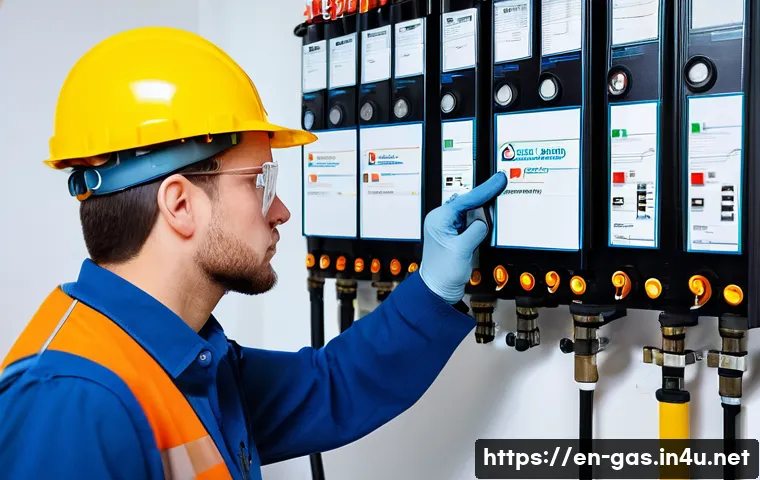
Landing a job as a certified gas technician requires more than just holding a license—it demands a portfolio that showcases your skills, experience, and professionalism.
In today’s competitive market, employers look for candidates who can demonstrate real-world expertise and a commitment to safety standards. Crafting a well-structured portfolio not only highlights your qualifications but also sets you apart from the crowd.
Whether you’re a newcomer or a seasoned pro, knowing how to present your credentials effectively can open doors to exciting opportunities. Let’s dive into the details and get you ready to impress potential employers!
Showcasing Hands-On Experience Effectively
Detailing Practical Job Assignments
When it comes to convincing potential employers that you’re more than just a name on a license, your portfolio needs to dive deep into the actual work you’ve done.
Simply listing certifications won’t cut it; instead, describe specific projects or tasks where you applied your gas technician skills. For example, mention the types of systems you’ve installed, maintained, or repaired, along with the complexity and scale of these jobs.
Including photos or diagrams where possible can add credibility and make your portfolio visually engaging. I’ve found that employers really appreciate when you can demonstrate how you’ve handled challenges on the job, such as troubleshooting unexpected issues or ensuring compliance with safety regulations under pressure.
Quantifying Your Achievements
Numbers speak louder than words, especially in technical fields. Highlighting how many installations you completed, the percentage of successful safety inspections, or the number of emergency repairs you handled can instantly boost your portfolio’s impact.
When I put together my own portfolio, I included metrics like “Completed over 50 residential gas system installations with zero safety violations” and “Reduced repair turnaround time by 20% through efficient workflow management.” These statistics not only showcase your expertise but also your ability to improve processes and add value to the employer’s operations.
Incorporating Client or Supervisor Testimonials
Nothing builds trust better than third-party validation. If you can include a few short quotes or letters from clients, supervisors, or colleagues who can vouch for your skill and professionalism, your portfolio will stand out.
I personally reached out to previous supervisors and asked if they’d be willing to share brief feedback on my work ethic and technical abilities. Including these testimonials within your portfolio offers employers a glimpse into your reliability and interpersonal skills, which are often just as important as technical know-how.
Highlighting Safety and Compliance Expertise
Documenting Safety Certifications and Training
Gas technology is a high-stakes field where safety isn’t negotiable. Beyond your basic certification, make sure your portfolio highlights any additional safety courses, workshops, or ongoing training you’ve completed.
For example, certifications in confined space entry, CPR, or OSHA safety standards reflect a commitment to maintaining a safe working environment. I’ve seen employers prioritize candidates who go the extra mile with safety training because it reduces risks and potential liabilities on site.
Showcasing Incident Prevention and Resolution Skills
Your ability to anticipate, prevent, and manage safety incidents is a critical asset. Use your portfolio to describe instances where your vigilance helped avoid accidents or where you successfully managed emergency situations.
For example, narrating a situation where you identified a potential gas leak and took immediate corrective action can demonstrate your proactive approach.
In my experience, sharing these stories in detail—with a focus on your decision-making and calm under pressure—really helps set you apart as a responsible professional.
Presenting Compliance with Local and National Codes
Every region has specific codes and regulations governing gas installations and repairs. Including a section that outlines your knowledge and adherence to these codes shows employers that you’re not only skilled but also legally compliant.
When I compiled my portfolio, I made sure to list the codes I’m familiar with, such as NFPA 54 in the U.S., and explained how I ensure every project meets these requirements.
This reassures employers that hiring you means they won’t face costly compliance issues later on.
Organizing Your Portfolio for Maximum Impact
Structuring for Easy Navigation
A well-organized portfolio makes a huge difference in how your skills are perceived. Divide your portfolio into clear sections like Certifications, Work Experience, Safety Training, and Testimonials.
Using bullet points, headings, and concise paragraphs helps busy hiring managers quickly find the information they need. I found that creating a clickable table of contents at the beginning of my digital portfolio was a game-changer—it allowed reviewers to jump straight to the most relevant sections without scrolling endlessly.
Using Visuals to Complement Your Text
Photos, charts, and even short videos can bring your portfolio to life. For instance, before-and-after pictures of installations or repairs, snapshots of your certifications, and flowcharts showing your workflow processes can make your portfolio more memorable.
When I included annotated photos of complex systems I worked on, employers often commented on how it helped them understand my hands-on capabilities better than text alone.
Maintaining a Professional and Consistent Design
The visual appeal of your portfolio matters just as much as the content. Stick to a clean, professional layout with consistent fonts, colors, and spacing.
Avoid clutter and keep it easy on the eyes. When I revamped my portfolio, I chose a simple color scheme and made sure each page followed the same style guidelines, which made the entire document feel cohesive and polished.
This attention to detail sends a subtle but powerful message about your professionalism and organizational skills.
Demonstrating Continuous Learning and Adaptability
Listing Advanced Training and Workshops
Employers want technicians who stay current with evolving technologies and industry standards. Include any advanced courses, manufacturer-specific training, or technical workshops you’ve completed beyond your initial certification.
For example, training on new gas detection technologies or smart system integrations can show that you’re ready to handle modern challenges. I personally update my portfolio every six months with new courses I attend, which signals to employers that I’m committed to growth.
Sharing Examples of Problem-Solving in New Situations
Adaptability is key in this field since every job site can present unique problems. Use your portfolio to narrate stories where you had to quickly learn and apply new skills or tools to solve unexpected issues.
When I included a detailed account of troubleshooting an unfamiliar gas control system during a recent project, employers appreciated my ability to think on my feet and learn quickly.

Highlighting Tech-Savvy Skills
Today’s gas technicians often use digital tools for diagnostics, reporting, and communication. If you’re proficient with relevant software or apps, make sure to highlight this.
For instance, familiarity with CAD software for system design or mobile apps for safety checklists can be a big plus. Including screenshots or brief explanations of how you use these tools can enhance your portfolio’s appeal.
Leveraging Personal Branding and Online Presence
Creating a Professional Online Portfolio
An online portfolio or personal website can complement your physical documents and make you more accessible to employers. It’s a chance to showcase your work dynamically with videos, interactive galleries, and downloadable certificates.
I built a simple website that includes all my credentials, testimonials, and project photos, which has helped me land interviews I might have missed otherwise.
Utilizing Social Media to Build Credibility
Platforms like LinkedIn or industry-specific forums can help you connect with peers and potential employers. Sharing insights, posting about completed projects, or engaging in discussions shows you’re active and knowledgeable in your field.
I noticed that recruiters often check candidates’ online presence, so maintaining a professional profile with endorsements and recommendations adds another layer of trust.
Networking Through Industry Associations
Joining professional groups or trade associations related to gas technology can provide opportunities to learn and showcase your expertise. Many offer member directories or certification badges you can link to in your portfolio.
When I became active in local technician groups, I gained access to exclusive job postings and was able to highlight my membership as proof of my commitment to the profession.
Essential Portfolio Components Compared
| Portfolio Section | What to Include | Why It Matters |
|---|---|---|
| Certifications & Licenses | Copies of current licenses, additional safety certifications, renewal dates | Proves your legal qualification and commitment to safety |
| Work Experience | Detailed descriptions of projects, photos, metrics on performance | Demonstrates hands-on skills and results |
| Safety & Compliance | Training records, safety incident reports, knowledge of codes | Shows your ability to work safely and within regulations |
| Testimonials | Quotes or letters from supervisors, clients, or colleagues | Builds credibility through third-party validation |
| Continuous Learning | Advanced courses, workshops, tech skills | Highlights adaptability and ongoing professional development |
| Online Presence | Links to website, social profiles, industry memberships | Enhances accessibility and personal branding |
Tailoring Your Portfolio for Specific Job Applications
Researching Employer Priorities
Every company values different skills and experiences depending on their niche. Before submitting your portfolio, take time to research the employer’s focus areas—whether it’s residential installations, industrial systems, or emergency repairs—and emphasize relevant projects and certifications.
When I targeted a company specializing in commercial gas systems, I highlighted my experience with large-scale installations and safety audits in that sector, which resulted in a much better reception.
Customizing Cover Letters and Introductions
Pair your portfolio with a personalized cover letter that addresses the specific needs of the employer. This introduction should briefly explain why your background aligns perfectly with the job and how your portfolio reflects those strengths.
I always tailor my cover letters to mention key points from the job description and refer to portfolio sections that illustrate my fit, which makes my application feel thoughtful and intentional.
Updating Based on Feedback
After interviews or portfolio reviews, you might get feedback about what employers liked or wanted to see more of. Use this input to continuously refine your portfolio.
I’ve found that even small tweaks—like adding more photos or reorganizing sections based on recruiter comments—can significantly increase my chances of moving forward in the hiring process.
Being responsive and adaptable shows professionalism and eagerness to improve.
Conclusion
Building a strong portfolio that highlights your practical experience, safety expertise, and continuous learning is essential in standing out as a gas technician. Tailoring your portfolio to specific job opportunities and maintaining a professional, well-organized presentation can greatly increase your chances of landing the role you want. Remember, showcasing your skills through real examples and clear evidence helps employers see your true value beyond certifications.
Useful Tips to Keep in Mind
1. Always include concrete examples of your work to demonstrate your hands-on abilities rather than just listing qualifications.
2. Use measurable achievements and statistics to make your portfolio more impactful and credible.
3. Collect and feature testimonials from supervisors or clients to build trust and validate your professionalism.
4. Keep your portfolio design clean and easy to navigate, incorporating visuals that support your descriptions.
5. Regularly update your portfolio with new skills, trainings, and feedback to show ongoing growth and adaptability.
Key Takeaways
A successful portfolio is more than a collection of certifications; it’s a dynamic tool that tells your professional story through detailed projects, safety compliance, and real-world problem-solving. Prioritize clarity and relevance by customizing your materials for each job application, and don’t underestimate the power of a strong online presence. Staying proactive in learning and networking will keep your portfolio fresh and appealing to employers seeking reliable and skilled gas technicians.
Frequently Asked Questions (FAQ) 📖
Q: What key elements should I include in my portfolio as a certified gas technician to attract employers?
A: To make your portfolio stand out, include detailed descriptions of your certifications and licenses, examples of completed projects, and any specialized training related to gas systems.
Highlight safety compliance and problem-solving scenarios you’ve handled. Adding testimonials from previous employers or clients can also build trust.
Using clear photos or videos of your work demonstrates your hands-on skills and professionalism, which employers greatly appreciate.
Q: How can I demonstrate real-world expertise in my portfolio if I’m new to the field?
A: If you’re just starting out, focus on any internships, apprenticeships, or volunteer work related to gas technology. Document the specific tasks you performed and the safety standards you followed.
Including case studies or reports from your training courses where you solved practical problems can also showcase your readiness. Additionally, mentioning your commitment to ongoing education and certifications signals to employers that you’re serious about growing in the profession.
Q: Why is emphasizing safety standards important in a gas technician portfolio, and how should I present it?
A: Safety is the cornerstone of gas technician work, so highlighting your adherence to safety regulations shows employers you’re responsible and reliable.
Include certifications like OSHA training or other safety courses you’ve completed. Describe situations where your vigilance prevented hazards or resolved safety issues.
Using clear, specific examples of how you apply safety protocols daily reassures employers that you prioritize protecting clients and property, which can give you a competitive edge.