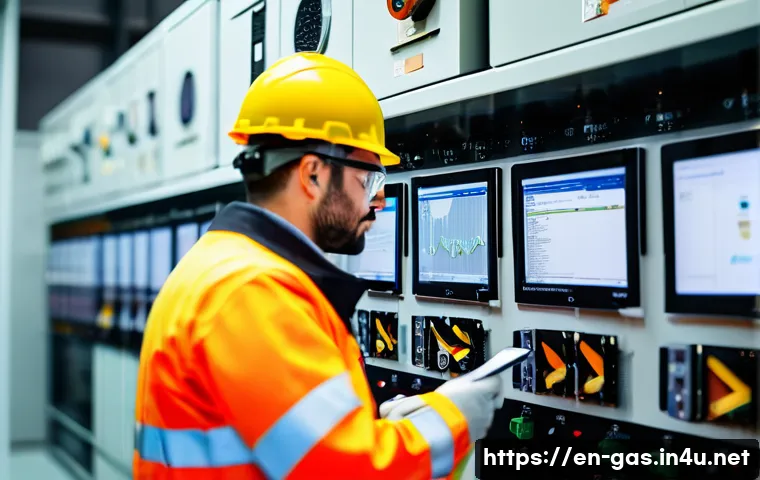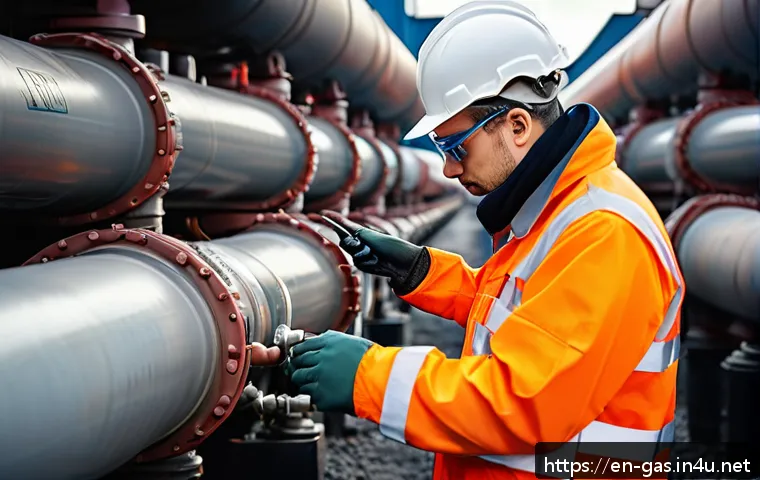
Navigating the transition from certification to hands-on work can be both exciting and daunting, especially in technical fields like gas technology. With the energy sector rapidly evolving and safety standards tightening, real-world experience is more valuable than ever.
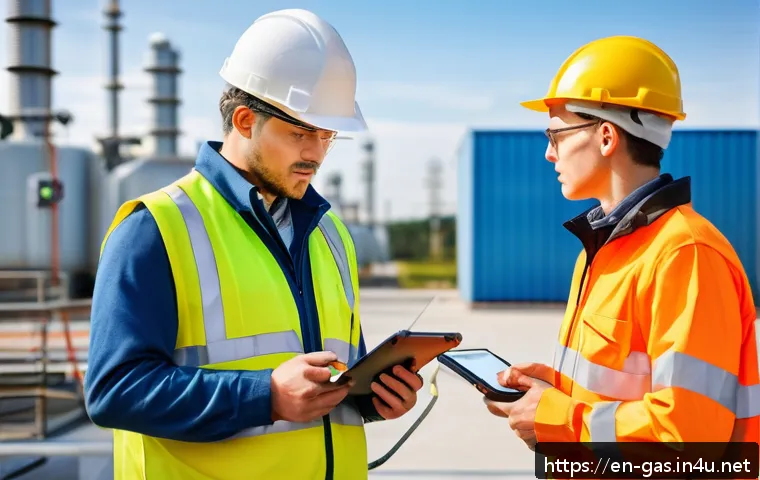
I still remember my first day on the job as a gas technician—how every challenge tested not just my knowledge but also my problem-solving skills. In this post, I’ll share how those initial hurdles shaped my career and why practical exposure matters just as much as formal training.
If you’re aiming to break into this field or curious about what lies beyond certification, stick around for insights that could save you time and stress.
Adjusting to the Reality of On-Site Responsibilities
Understanding the Weight of Safety Protocols
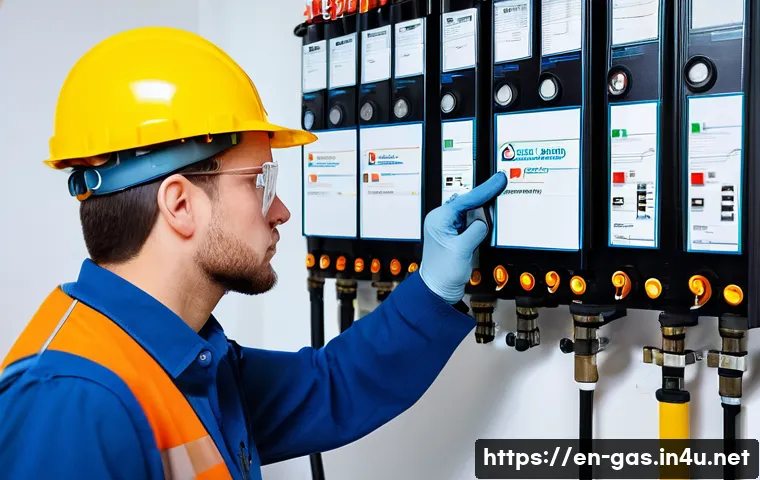
When you’re fresh out of certification, the sheer gravity of safety standards in gas technology hits differently. It’s one thing to learn about safety procedures in a classroom or through manuals, but it’s another to realize that a single oversight can lead to catastrophic consequences.
I vividly recall the first time I had to double-check pressure gauges under a tight deadline—knowing that rushing could risk a leak made me slow down and develop a sharper attention to detail.
This experience taught me that safety isn’t just a rulebook but a mindset, one that has to be ingrained deeply before stepping onto any job site.
Balancing Technical Knowledge with Practical Skills
Certification gave me the foundation—how gas systems work, the science behind combustion, and regulatory codes—but translating that into hands-on skills was a steep learning curve.
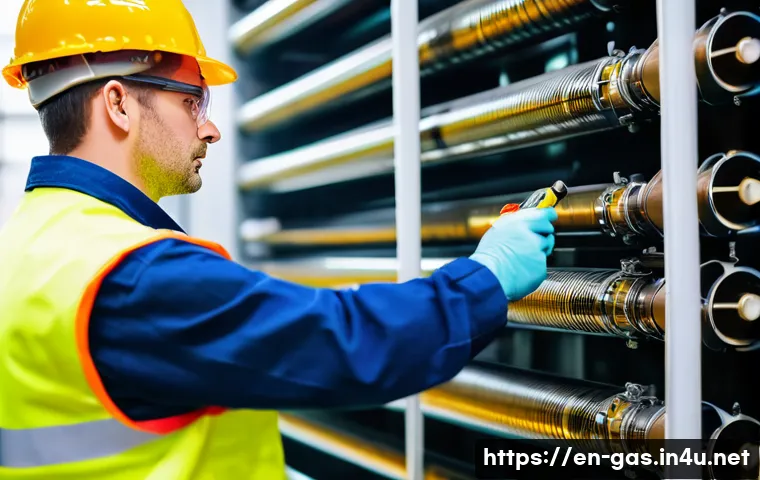
For example, diagnosing a faulty valve or troubleshooting a complex pipeline system requires more than textbook knowledge; it demands intuition built through trial, error, and mentorship.
Early on, I found myself fumbling with equipment calibration until a seasoned technician showed me shortcuts and techniques that textbooks never mentioned.
This blend of theory and practice is what defines competence in the field.
Handling Pressure and Unpredictability
No matter how well-prepared you are, real-world environments throw curveballs—unexpected weather conditions, equipment failures, or client emergencies.
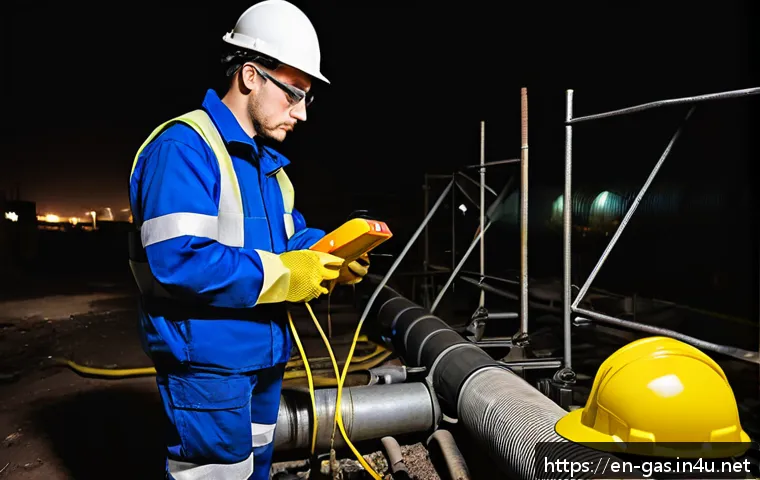
The pressure to deliver quick, accurate fixes while keeping safety at the forefront can be overwhelming at first. I remember working a late shift when a sudden gas leak was reported; the adrenaline rush was intense, but it pushed me to rely on my training and instincts simultaneously.
Over time, those high-stress situations sharpened my problem-solving skills and boosted my confidence exponentially.
Building Relationships with Experienced Mentors
Learning Beyond the Manuals
One of the biggest advantages I had during my early days was having access to experienced mentors. They didn’t just supervise; they shared stories from decades of fieldwork, highlighting pitfalls and best practices that no certification course covered.
These conversations often happened during breaks or while repairing equipment, turning every moment into a learning opportunity. Their guidance helped me avoid rookie mistakes and accelerated my growth in ways self-study never could.
Networking Within the Industry
Getting certified is just the beginning—building a network of trusted colleagues opens doors to new projects, job opportunities, and insider knowledge.
I made it a point to attend industry meetups and safety workshops, where I met professionals from different companies and backgrounds. These connections proved invaluable, especially when I needed advice on complex installations or updates on regulatory changes.
Networking also helped me feel like part of a community, which is crucial in a high-stakes profession where teamwork often saves lives.
Developing Communication Skills
Working alongside seasoned technicians and clients taught me that technical expertise alone isn’t enough. Clear communication—whether explaining a safety concern to a homeowner or coordinating with a team on-site—is essential.
I learned to break down complex jargon into understandable terms and listen actively to feedback, which fostered trust and smoother workflows. Good communication also helped diffuse tense moments during emergencies, ensuring everyone stayed on the same page.
Mastering Troubleshooting Techniques in Real-Time
Identifying Problems Quickly
The transition from certification to fieldwork sharpens your ability to spot issues that aren’t obvious on paper. For instance, a gauge might read normal, but subtle vibrations or unusual smells could indicate underlying problems.
Early in my career, I had to develop a keen sense for these less tangible clues, which often meant relying on all senses—not just eyesight or instruments.
This sensory awareness is something no classroom can replicate but is crucial for preventing accidents.
Applying Systematic Diagnostic Approaches
Troubleshooting isn’t about guessing; it’s about applying logical, step-by-step methods to isolate the root cause. I found that breaking down a complex system into smaller parts and testing each sequentially helped me avoid unnecessary replacements or repairs.
For example, when a burner wouldn’t ignite, I would systematically check fuel supply, ignition source, sensors, and control circuits in that order. This approach saved time and resources, earning respect from supervisors.
Learning from Mistakes and Successes
Every troubleshooting success boosted my confidence, but the mistakes were equally instructive. Early on, I misdiagnosed a pressure drop that turned out to be a faulty gauge rather than a pipeline leak, which could have led to unnecessary shutdowns.
Instead of beating myself up, I reflected on what went wrong and asked for feedback. This cycle of trial, error, and adjustment accelerated my technical maturity and taught me humility—knowing when to ask for help is just as important as knowing what to do.
Adapting to Technological Advancements in Gas Systems
Embracing Digital Tools and Automation
The gas industry isn’t static; new technologies like smart sensors, automated controls, and IoT-enabled monitoring are transforming how technicians work.
When I first encountered these tools, I was both excited and overwhelmed. Learning to interpret data dashboards and remote diagnostics required additional training beyond my certification.
However, once I got the hang of it, these technologies made my job safer and more efficient, allowing me to predict maintenance needs before problems escalated.
Continuous Learning and Certifications
Keeping up with evolving technology means that certification is just the start of your education. I made it a habit to pursue refresher courses and specialized certifications in areas like gas leak detection technologies and environmental regulations.
This ongoing learning not only kept me current but also enhanced my marketability and earning potential. The investment in staying updated pays off handsomely in a career where safety and innovation go hand in hand.
Integrating Sustainable Practices
With the global push for cleaner energy, gas technicians are increasingly involved in projects that blend traditional systems with renewable energy sources.
Early exposure to sustainable practices—like optimizing combustion efficiency to reduce emissions—helped me see the bigger picture of environmental responsibility.
Adopting these practices requires both technical adaptability and a mindset open to change, which has been one of the more rewarding aspects of my evolving career.
Understanding Industry Regulations and Compliance
Navigating Complex Regulatory Landscapes
Gas technology is heavily regulated to ensure public safety, and the rules can vary widely by region and application. I quickly learned that staying compliant is not just about passing inspections but about integrating regulations into every step of the job.
This means meticulous documentation, following approved procedures, and knowing when to escalate issues. Early on, this felt like a bureaucratic headache, but with experience, I realized that compliance is the backbone of trustworthiness in the field.
Preparing for Inspections and Audits
One of the more nerve-wracking aspects of my early job was preparing for official inspections. These audits could scrutinize everything from equipment calibration to safety protocols and record-keeping.
I developed checklists and internal review processes to ensure nothing was overlooked. Being proactive rather than reactive helped reduce stress and fostered a culture of continuous improvement within my team.
Communicating Compliance to Clients
Clients often don’t understand the technicalities behind regulations, so part of my role became educating them on why certain procedures or upgrades were necessary.
This transparency built trust and made them partners in safety rather than passive recipients of service. Clear explanations about compliance not only eased their concerns but also helped justify costs associated with regulatory adherence.
Balancing Workload and Personal Growth
Managing Physical and Mental Demands
Gas technician work is physically demanding—climbing ladders, working in confined spaces, and handling heavy equipment. It took time to build the stamina and physical conditioning required.
On top of that, the mental pressure of maintaining safety under tight deadlines can be draining. I found that regular exercise, proper rest, and stress management techniques like mindfulness helped me sustain performance and avoid burnout.
Setting Realistic Career Goals
In the beginning, it’s easy to get overwhelmed by everything you don’t know, but setting achievable milestones helped me stay motivated. Whether it was mastering a particular troubleshooting technique or earning an advanced certification, these goals provided a roadmap for progress.
Celebrating small wins kept my spirits high and reminded me that expertise is a journey, not a destination.
Finding Work-Life Balance in a Demanding Field
Shift work and emergency call-outs can disrupt personal life, especially early in your career when you want to prove yourself. I learned to communicate boundaries and prioritize downtime without guilt.
Having hobbies and time with family became essential for recharging. This balance wasn’t just good for my well-being but also made me a more focused and effective technician when on the clock.
Practical Skills vs. Theoretical Knowledge: A Comparison
| Aspect | Theoretical Knowledge (Certification) | Practical Skills (On-the-Job Experience) |
|---|---|---|
| Safety Understanding | Learned via manuals and exams | Applied under real conditions with real risks |
| Troubleshooting | Conceptual problem-solving | Hands-on diagnosis using sensory and technical cues |
| Equipment Handling | Familiarity through demonstrations | Mastery through repeated use and mentorship |
| Regulatory Compliance | Studied rules and codes | Implemented procedures during inspections and audits |
| Communication | Basic terminology and reporting | Interpersonal skills with clients and teams |
In Conclusion
Adapting to on-site responsibilities in gas technology is a journey that blends safety, technical skills, and real-world experience. Each challenge faced strengthens your confidence and sharpens your expertise. Embracing mentorship, continuous learning, and effective communication are key to long-term success. Ultimately, practical experience transforms theoretical knowledge into true professional competence.
Useful Information to Keep in Mind
1. Prioritizing safety protocols is essential; it’s a mindset that protects both you and those around you.
2. Hands-on experience complements certification by teaching you how to navigate unexpected challenges.
3. Building relationships with mentors and peers accelerates your growth and broadens your industry insight.
4. Staying updated with technological advancements keeps your skills relevant and improves job efficiency.
5. Balancing workload with personal well-being ensures sustained performance and career longevity.
Key Takeaways
Understanding the critical importance of safety cannot be overstated in gas technology work. Practical skills develop over time through real-world application and mentorship, not just certification. Effective communication and networking play vital roles in professional growth and client trust. Staying compliant with regulations and embracing new technologies are ongoing responsibilities. Lastly, managing both physical and mental demands is crucial for maintaining a successful and balanced career in this demanding field.
Frequently Asked Questions (FAQ) 📖
Q: uestionsQ1: How can I effectively transition from certification to hands-on work in gas technology?
A: The jump from classroom learning to real-world application can feel overwhelming, but it’s crucial to approach it with a mindset of continuous learning.
Start by seeking entry-level positions or internships where you can shadow experienced technicians. Don’t hesitate to ask questions or request guidance when faced with unfamiliar situations.
Hands-on experience will sharpen your problem-solving skills far beyond what certification alone provides. Remember, every challenge you encounter is an opportunity to grow and gain confidence.
Q: What are the biggest challenges new gas technicians face on their first job?
A: One of the toughest parts is applying theoretical knowledge under pressure, especially when safety is on the line. New technicians often struggle with troubleshooting unexpected issues or adapting to different equipment models.
Additionally, understanding and adhering to ever-evolving safety standards can feel daunting initially. From my experience, staying calm, methodically assessing each problem, and leaning on your team’s expertise can make a huge difference in overcoming these obstacles.
Q: Why is practical exposure as important as formal training in the energy sector?
A: Formal training lays the essential groundwork, but the energy sector demands real-time decision-making and adaptability that only hands-on experience can provide.
Practical exposure teaches you how to handle equipment nuances, emergency situations, and client interactions—elements rarely covered in textbooks. In my early days, the on-the-job lessons about safety protocols and equipment quirks were invaluable, shaping my ability to work efficiently and responsibly under pressure.
Ultimately, balancing both theory and practice is key to building a successful career.