Navigating the Master Gas Certification written exam can feel overwhelming, especially with the ever-evolving safety standards and regulations in the industry.

With the demand for certified professionals rising, finding efficient ways to memorize key information has never been more crucial. If you’ve been searching for practical strategies to boost your retention and pass the exam faster, you’re in the right place.
In this post, I’ll share some proven memorization hacks that have helped many candidates, including myself, conquer the test with confidence. Let’s dive into techniques that make studying smarter, not harder, so you can achieve certification without the stress.
Breaking Down Complex Safety Codes Into Manageable Chunks
Chunking Information for Easier Recall
One of the biggest hurdles when studying for the Master Gas Certification exam is the sheer volume of safety codes and regulations you need to memorize.
Instead of trying to swallow it all at once, breaking the content into smaller, meaningful chunks helps a ton. For example, grouping related codes like pressure limits, ventilation requirements, and emergency procedures separately lets your brain focus on one category at a time.
This method mirrors how we naturally process information daily, making recall during the exam feel more intuitive.
Creating Mind Maps for Visual Memory
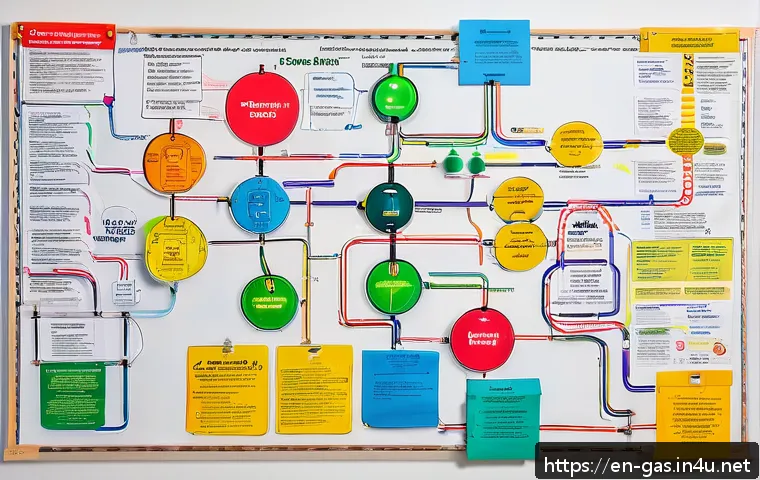
I found that turning text-heavy content into colorful mind maps made a huge difference. Mind maps help visualize connections between different safety standards and processes.
When you sketch out these relationships, it’s easier to see the big picture and remember specific details. For instance, linking types of gas appliances with their respective installation guidelines in a flowchart form simplified the technical jargon into something more approachable.
Using Mnemonics for Technical Terms
Technical terms and abbreviations can be a nightmare to remember. Mnemonics, whether acronyms or catchy phrases, act like mental shortcuts. I personally created a phrase out of the first letters of key safety checks, which stuck with me during the exam.
This technique not only speeds up memorization but also reduces the stress of blanking out on important points.
Leveraging Active Recall and Spaced Repetition
The Power of Testing Yourself
Passive reading won’t cut it if you want to retain information long-term. Actively quizzing yourself on the material forces your brain to retrieve facts, strengthening memory pathways.
I used flashcards and practice questions repeatedly, which made a massive difference in how well I could recall details on test day. Even better, mixing up the order of questions prevented my brain from just memorizing patterns instead of actual content.
Spacing Out Study Sessions
Cramming might seem tempting but spacing out your study sessions over days or weeks yields better retention. This technique, known as spaced repetition, works by revisiting information at increasing intervals, which helps move knowledge from short-term to long-term memory.
For example, reviewing ventilation codes on day one, then again on day four, and finally on day ten ensured the rules stuck much more firmly.
Combining Active Recall with Real-World Scenarios
To make active recall even more effective, I paired it with imagining practical scenarios. For instance, when recalling emergency shut-off procedures, I pictured myself in an actual gas leak situation.
This approach not only reinforced memory but also deepened understanding by connecting theory with real-world applications.
Utilizing Technology and Apps for Efficient Studying
Digital Flashcards and Quiz Apps
Apps like Anki and Quizlet are game changers for mastering complicated topics like gas certification. These platforms use spaced repetition algorithms to tailor quiz frequency based on how well you know each item.
I found the convenience of having flashcards on my phone made it easy to squeeze in quick review sessions anywhere—on the bus, during lunch breaks, or even waiting in line.
Video Tutorials and Interactive Content
Sometimes, reading dense manuals can be a drag. Supplementing your study with video tutorials or interactive modules can bring dry content to life. Watching a professional demonstrate proper gas appliance installation or safety checks helped me grasp tricky concepts faster.
Plus, hearing explanations in different formats reinforced my overall understanding.
Tracking Progress and Setting Goals
Many study apps come with progress tracking and goal-setting features. I set daily and weekly targets, which kept me accountable and motivated. Seeing my scores improve over time was encouraging and made the whole process feel more manageable rather than overwhelming.
Incorporating Real-Life Practice and Hands-On Learning
Simulating Exam Conditions
Practicing under exam-like conditions boosted my confidence immensely. Timing myself while answering practice questions and minimizing distractions created a realistic environment that prepared me for the pressure of the actual test.
This strategy helped me manage my time better and reduced anxiety on exam day.
Field Experience Enhances Memory
Nothing beats hands-on experience when it comes to cementing knowledge. Working alongside certified professionals or shadowing field inspections gave me practical insights that textbooks alone couldn’t provide.
Handling actual equipment and troubleshooting real problems made the theoretical parts of the exam click into place.

Discussing Topics with Peers or Mentors
Explaining concepts to someone else or debating tricky questions deepens understanding. I formed a small study group where we exchanged tips and clarified doubts.
This interaction exposed me to different perspectives and reinforced my grasp of complex regulations.
Mastering Exam Strategy and Stress Management
Prioritizing High-Impact Topics
Not all exam content carries equal weight, so focusing on the most frequently tested topics pays off. Reviewing past exams and official guidelines helped me identify these areas.
Allocating more study time to critical subjects like safety protocols and emergency responses increased my chances of scoring well.
Mindfulness and Relaxation Techniques
The pressure of certification tests can be intense. Incorporating mindfulness exercises, such as deep breathing or short meditation, helped me stay calm and focused.
A clear mind improved retention and prevented panic-induced memory blocks during the exam.
Effective Time Management During the Exam
I developed a pacing strategy to allocate time wisely across sections. Tackling easier questions first built momentum, while flagging tougher ones for review prevented getting stuck.
This approach minimized stress and maximized the number of questions answered confidently.
Organizing Study Materials for Maximum Efficiency
Creating Customized Summaries
Condensing bulky manuals into personalized summaries turned out to be a lifesaver. Writing notes in my own words forced me to process information deeply.
These summaries became go-to references for quick reviews, especially as the exam date approached.
Color-Coding and Highlighting Key Points
Visual cues like color-coding sections or highlighting critical terms helped me scan materials faster. Associating colors with themes—red for hazards, blue for procedures—made retrieval easier during both study sessions and the exam itself.
Maintaining a Consistent Study Schedule
Setting a regular study routine helped avoid last-minute cramming. Even dedicating just 30 minutes daily built steady momentum. Consistency allowed me to cover all topics thoroughly without feeling overwhelmed.
| Study Technique | How It Helps | Personal Tip |
|---|---|---|
| Chunking Information | Breaks down complex codes into manageable parts | Group related safety codes by topic for focused study |
| Active Recall | Strengthens memory by forcing retrieval | Use flashcards and self-quizzing regularly |
| Spaced Repetition | Improves long-term retention by revisiting info over time | Schedule reviews at increasing intervals |
| Mind Maps | Visualizes connections between concepts | Create colorful diagrams linking procedures and codes |
| Hands-On Practice | Reinforces theory through real-world application | Shadow professionals or simulate installations |
| Stress Management | Keeps mind clear and focused during study and exam | Practice mindfulness and pacing strategies |
Conclusion
Breaking down complex safety codes into manageable chunks, combined with active recall and hands-on practice, truly enhances both understanding and retention. Utilizing technology and strategic study methods makes preparing for the Master Gas Certification exam less overwhelming. With consistent effort and smart techniques, mastering these safety regulations becomes achievable and even rewarding.
Helpful Tips
1. Break study material into smaller sections to avoid feeling overwhelmed and improve focus.
2. Use visual tools like mind maps to connect concepts and enhance memory.
3. Incorporate active recall methods such as flashcards and self-quizzing for stronger retention.
4. Space out study sessions over time rather than cramming to move knowledge into long-term memory.
5. Practice mindfulness and time management strategies to reduce stress and improve exam performance.
Key Takeaways
Efficient exam preparation hinges on organizing information thoughtfully and engaging with the material actively. Prioritizing high-impact topics, combining study techniques, and gaining practical experience solidify understanding. Managing stress and time during both study and exam phases further enhances confidence and success. Ultimately, a balanced approach tailored to your learning style makes mastering complex safety codes a realistic goal.
Frequently Asked Questions (FAQ) 📖
Q: uestions about Master Gas Certification Exam PreparationQ1: What are the most effective memorization techniques for the Master Gas Certification written exam?
A: From my experience and feedback from fellow candidates, combining active recall with spaced repetition works wonders. Instead of passively reading the material, quiz yourself regularly on key concepts and revisit challenging topics over increasing intervals.
Flashcards, whether physical or digital apps like Anki, can make this process engaging and efficient. Also, creating mnemonics or associating terms with real-life scenarios helps anchor complex regulations in your memory, making them easier to recall during the exam.
Q: How can I stay updated with the latest safety standards and regulations for the exam?
A: The gas industry standards evolve frequently, so relying on outdated materials can be risky. I recommend subscribing to official regulatory bodies’ newsletters and regularly visiting their websites for updates.
Joining professional forums or local trade groups also provides insights into practical changes and interpretations of standards. When studying, cross-check your notes against the latest codes to ensure you’re not memorizing obsolete information.
Staying current not only boosts confidence but also ensures your certification reflects industry best practices.
Q: What study schedule is realistic for balancing work and preparation without feeling overwhelmed?
A: Balancing a full-time job with exam prep can be tricky, but setting a consistent, manageable routine is key. I found that dedicating 30 to 45 minutes daily, rather than cramming on weekends, helped me retain information better and reduced stress.
Break your study sessions into focused chunks—start with understanding core principles, then move to detailed regulations and practical applications. Taking short breaks and mixing different study methods prevents burnout.
Remember, quality over quantity: it’s better to deeply understand a few topics than skim everything superficially.